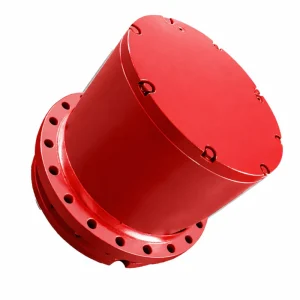
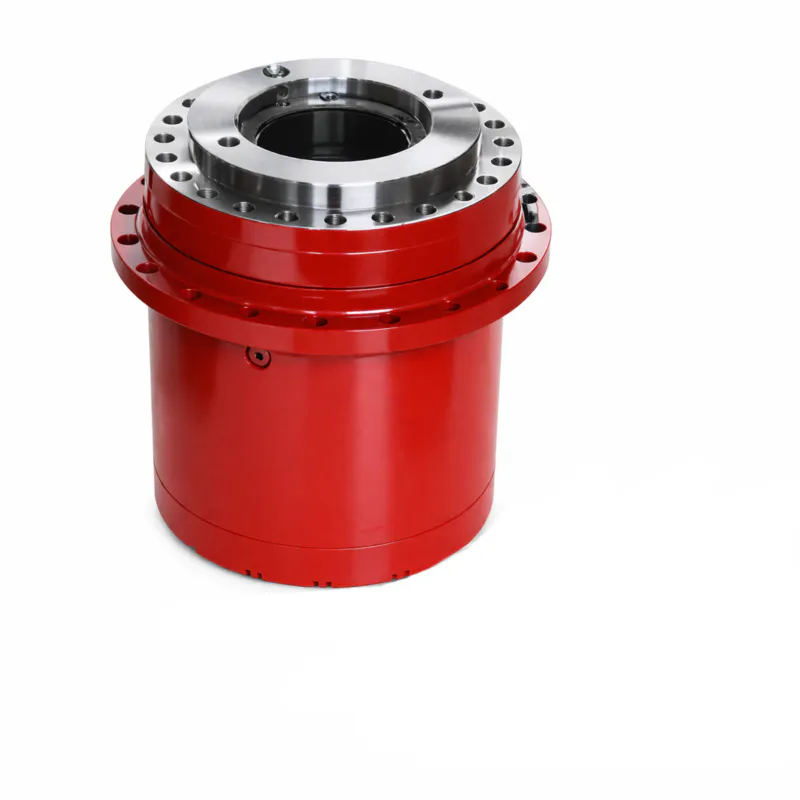
EP-Winch Drive Planetary Gearbox Reducer For Truck-mounted Crane
The EP-Winch Drive Planetary Gearbox Reducer For Truck-mounted Crane is fully compatible as a direct-fit replacement for leading market references including Bosch Rexroth, ZOLLERN, Brevini Riduttori, Reggiana Riduttori, Comer Industries, and Rossi — allowing fleet operators to source a cost-effective, technically equivalent alternative without modifying existing winch frame mounting interfaces or hydraulic motor adaptor flanges. This cross-compatibility is one of the defining reasons that procurement engineers across the construction, oil and gas, marine, and mining sectors continue to specify this model as their preferred winch planetary reducer for crane-critical applications.
EP-Winch Drive Planetary Gearbox Reducer For Truck-mounted Crane
Heavy-duty power transmission engineered for lifting precision — built for demanding crane and hoisting environments worldwide.
1. Why Should You Choose Our EP-Winch Drive Planetary Gearbox
The EP-Winch Drive Planetary Gearbox is a purpose-built transmission solution designed to meet the rigorous mechanical demands of truck-mounted crane systems. At its core, this unit transfers rotational power from the prime mover — hydraulic or electric motor — through a precision planetary gear train, reducing output speed while proportionally multiplying torque to a level that enables controlled, safe load lifting and lowering. Unlike conventional parallel-shaft gear reducers, the planetary arrangement distributes load across multiple meshing gear contacts simultaneously, achieving outstanding torque density within a comparatively compact housing footprint.
Every EP-series Winch Drive Planetary Gearbox passes through a rigorous multi-stage quality protocol before leaving the production floor. Internal gear sets are manufactured from carburized and case-hardened alloy steel, finished to DIN accuracy class 6 or better, which directly reduces backlash and audible noise during crane operation. The rotating housing design — where the ring gear turns as the output — allows direct integration inside the winch drum, eliminating external shaft couplings and reducing the overall mechanical stack height. This configuration is particularly valued on truck-mounted crane platforms where space between the chassis rails is limited but torque requirements remain extremely high.
2. Five Key Product Advantages
Exceptional Torque-to-Weight Ratio
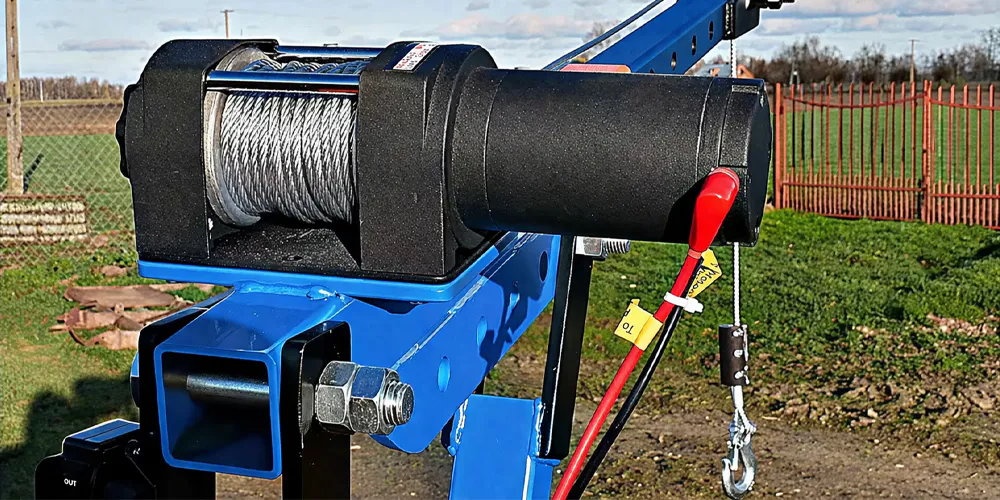
The planetary gear architecture concentrates load-bearing capability across three or more planet gears simultaneously, delivering output torques up to 280,000 N·m while keeping the unit weight significantly lower than comparable helical gear reducers. This means crane OEMs can mount the gearbox directly inside the winch drum without adding prohibitive structural mass to the crane boom or chassis.
Wide Gear Ratio Range
With available ratios spanning from 5.3:1 to 400:1 across multiple stage configurations, the EP-Winch Drive Planetary Gearbox serves an unusually broad operating envelope — from rapid positioning runs at lower reduction to precision ultra-low-speed hoisting where load control is paramount. Multi-stage versions compound two or three planetary sets in series within a single housing envelope.
Integrated Failsafe Parking Brake
A hydraulically released, spring-applied multi-disc parking brake is optionally integrated directly inside the gearbox housing, sharing the same oil reservoir as the gear train. This eliminates the need for an external brake caliper assembly, reduces point-of-failure count, and ensures the load is held safely and positively whenever hydraulic or electric power is removed — a requirement under ASME B30 and FEM 1001 crane standards.
Cross-Compatible Replacement Fit
Mounting flanges, motor adaptors, output spline profiles, and port locations are engineered to match Bosch Rexroth GFW, ZOLLERN ZHG, Brevini RCW, and other widely referenced planetary winch drive models. Procurement teams in the field can substitute without re-engineering the winch frame or hydraulic circuit — reducing maintenance downtime and total cost of ownership significantly.
Harsh Environment Durability (IP65+)
Sealed to IP65 as standard — with IP67 available on request — the unit resists water ingress, dust infiltration, and hydraulic fluid contamination even in sustained outdoor operating cycles. Ductile cast iron (GGG-50) housings offer high impact toughness against mechanical shock loads common in rough-terrain crane operation, while the heat-dissipating fin geometry manages internal temperatures at prolonged duty cycles without supplementary cooling.
3. How the Winch Drive Planetary Gearbox Works
Understanding the mechanical operation of this unit helps procurement engineers specify the right model and helps service technicians carry out correct installation and maintenance. The gearbox receives rotational energy from either a hydraulic axial-piston motor or a brake-equipped electric motor at its input shaft. That shaft is splined or flanged to the sun gear — the smallest and fastest-spinning gear in the planetary stage. The sun gear meshes with three or more planet gears, each of which rolls around the inside surface of a stationary ring gear (also called the annulus gear). In a standard winch drive configuration, the ring gear is the component that bolts rigidly to the winch drum frame, while the planet carrier — which links all the planet gear shafts — constitutes the output. However, in rotating-housing designs used in this EP-Winch Drive Planetary Gearbox, the ring gear itself becomes the output member and rotates with the drum, enabling a more compact and torsionally rigid arrangement.
Speed reduction occurs because the planet carrier (or rotating housing) completes only one revolution for every multiple revolutions of the sun gear, the exact ratio being determined by the tooth count relationship between the sun and ring gears. By stacking two or three such planetary stages inside a single housing in series, the total ratio compounds — allowing a motor spinning at 1,500 rpm to drive a winch drum at only 4–6 rpm while delivering several hundred kilonewton-metres of torque at the output. The load is shared equally among the three or more planet gears, which is why the planetary arrangement achieves such high torque density: every planet gear carries only a fraction of the total load, keeping individual tooth contact stresses well within material limits over the service life.
During crane lowering, the system operates in overhauling mode where the load itself drives the gearbox in reverse. To prevent uncontrolled descent, the integrated hydraulically released parking brake — set as normally-closed — engages instantly if system pressure drops. Additionally, counterbalance valve packages (mounted externally on the hydraulic motor port) provide smooth, controlled lowering speed regardless of load variation. The sum of these mechanical and hydraulic features makes the planetary winch gearbox one of the safest and most reliable transmission solutions available for truck-mounted crane hoisting duty.
4. Materials & Construction Quality
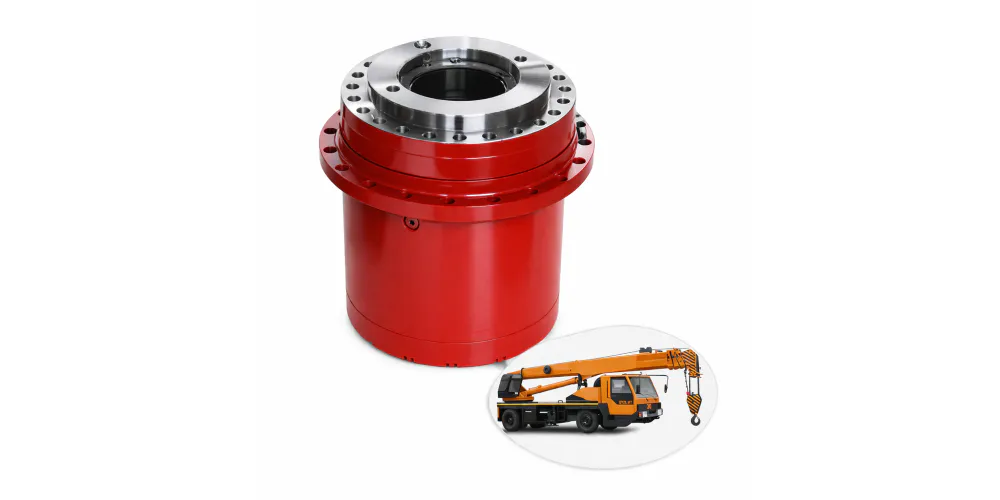
The long-term reliability of any winch drive planetary gearbox is ultimately determined by the quality of the materials selected for each functional component. Every part specification in the EP-Winch Drive Planetary Gearbox reflects decades of accumulated field feedback from crane, offshore, and mining installations where gearboxes operate under sustained shock loads, elevated ambient temperatures, and contaminated atmospheric conditions.
The primary housing is manufactured from GGG-50 spheroidal graphite cast iron — commonly called ductile iron — chosen for its combination of tensile strength (~400 MPa) and excellent crack propagation resistance. Unlike grey iron, ductile iron deforms plastically under overload rather than fracturing, which protects both the gearbox and the crane structure in the event of a sudden load surge or boom impact. The housing casting is CNC-machined on all mating surfaces and bore interfaces to tight positional tolerances, ensuring that gear set alignment is maintained precisely throughout the thermal expansion range of normal operation.
Internal gears — sun, planet, and ring — are cut from 20CrMnTi chromium-manganese-titanium alloy steel, a material recognized in Chinese GB standards and functionally equivalent to the European 21MnCr5 specification. After rough hobbing, each gear blank undergoes carburizing heat treatment at 920°C, bringing the case hardness to HRC 58–62 while preserving a tough, ductile core. Final tooth profiles are precision ground to DIN accuracy class 6, which limits accumulated pitch error and keeps noise output below 72 dB(A) even under full-rated torque. Planet shafts and sun gear shafts are manufactured from 42CrMo4 chromium-molybdenum steel, fully hardened and tempered to achieve the fatigue resistance required for continuous hoisting duty cycles. Tapered roller bearings from SKF or FAG are selected at each support point to handle the combined axial and radial loads that the rotating housing design imposes on the support structure. Sealing is accomplished using double-lipped Nitrile (NBR) or Fluoroelastomer (FKM) radial shaft seals, the latter being specified for gearboxes destined for oil-field or high-temperature environments where petroleum-based fluids are present.
5. Regulatory Compliance & Industry Standards
Specifying a winch drive gearbox involves navigating a layered regulatory environment that differs significantly between regions. The EP-Winch Drive Planetary Gearbox is designed to meet or exceed the requirements of the most widely referenced standards across North America, Europe, and key export markets.
United States
OSHA 29 CFR 1926.1416 mandates that crane hoisting equipment — including winch drive gearboxes — be inspected at defined intervals and meet load-holding requirements. ASME B30.2 (Overhead and Gantry Cranes) and ASME B30.5 (Mobile and Locomotive Cranes) specify crane structural and mechanical design requirements that directly govern the safety factor, brake holding torque, and overload tolerance of the transmission system. Units supplied to the US market carry CE marking and are sized in accordance with FEM 1001 duty class M5.
European Union
The Machinery Directive 2006/42/EC requires all lifting equipment placed on the EU market to carry CE marking and be accompanied by a Declaration of Conformity. EN 13135 (Cranes — Equipment — Design Requirements for Equipment) and EN ISO 4301-1 (Classification of Mechanisms) inform the duty class selection methodology used to size the EP-WD gear sets. The Pressure Equipment Directive (2014/68/EU) applies to integrated hydraulic brake systems. RoHS 2 (2011/65/EU) compliance is maintained for all electrical components included in gearmotor versions.
Marine & Offshore (DNV / ABS)
Winch drive gearboxes installed on vessels or offshore platforms must comply with class society requirements from DNV GL or ABS. These rules mandate type-testing of the complete winch drive assembly at rated load, overload, and dynamic shock conditions. EP-Winch Drive Planetary Gearbox models supplied for marine duty are available with DNV Type Approval documentation, covering FEM L2 T5 M5 torque ratings and confirming material traceability to class-approved steel specifications.
Colombia & Latin America
In Colombia, industrial lifting equipment is governed by Resolución 2400 de 1979 (Ministerio de Trabajo) and NTC standards aligned with ISO and ASME references. Winch drive gearboxes operating in Colombia's mining sector — particularly in Antioquia, Boyacá, and Cesar departments — must meet RETIE (Reglamento Técnico de Instalaciones Eléctricas) requirements for electrically driven units. The EP-Winch Drive Planetary Gearbox is fully compatible with the heavy-duty industrial winch planetary gearbox needs of mining operations across the Andes region and port crane installations at Barranquilla and Cartagena.
International ISO Standards
ISO 6336 (Calculation of Load Capacity of Spur and Helical Gears) underpins the EP-Winch Drive Planetary Gearbox sizing methodology. ISO 1328-1 defines the tooth profile accuracy classes applied to finished gear sets. ISO 281 governs bearing life calculation and is the basis for rated bearing service life statements. ISO 4413 applies to hydraulic systems integrated with the gearbox, and ISO 4301 provides the duty classification framework referenced throughout product documentation.
6. Application Scenarios
The EP-Winch Drive Planetary Gearbox serves a diverse range of lifting and pulling applications across multiple heavy industries. Its sealed, high-torque-density design makes it equally at home on a highway-going truck crane and inside a permanent offshore platform mooring winch.
Truck-Mounted Telescopic Boom Cranes
The most common primary application. The compact planetary winch gearbox mounts inside the winch drum on the truck frame, handling main and auxiliary hoist functions. Its high shock-load tolerance accommodates the dynamic loading that occurs when a suspended load swings or the truck travels on uneven terrain.
Mining Extraction & Rock Bolt Winches
In underground and open-pit mining operations — including those across the Andes region of Colombia and Peru — winch drive gearboxes handle skip hoists, slope conveyors, and auxiliary rope pulls. The industrial winch planetary gearbox must tolerate high shock reversals, abrasive dust ingress, and continuous multi-shift duty cycles demanding robust IP65 sealing and rugged housing design.
Oil & Gas — Derrick and Workover Winches
Drilling rigs and workover units require a winch drive planetary gearbox capable of repeated, controlled line pulls under high ambient temperatures and hydrocarbon-contaminated environments. The EP-Winch Drive Planetary Gearbox series units with FKM seals and high-temperature grease packs are specified for these installations, serving winch drive gearbox oil and gas applications from Permian Basin rigs in Texas to offshore platforms in the Gulf of Mexico.
Marine Anchor and Mooring Winches
Vessels require anchor windlasses and mooring winches with DNV or ABS type-approved planetary gear drives. The rotating-housing EP-Winch Drive Planetary Gearbox design integrates directly into the drum assembly, keeping the overall winch package height low — an important consideration on crowded deck layouts. Saltwater-resistant coatings and Nitrile seals are standard on marine-duty versions.
Port & Terminal Gantry Cranes
Container handling cranes at ports such as Barranquilla, Cartagena, and major US Gulf ports rely on heavy-duty winch planetary gearboxes for hoist and trolley travel functions. These applications demand extreme load cycle counts — often exceeding 500,000 cycles over the equipment lifetime — making bearing selection, gear hardness, and lubrication system design critical to achieving low lifecycle cost.
Construction Sector Hoisting Equipment
Tower crane luffing winches, material hoists on building sites, and spider cranes for interior fit-out use compact planetary winch gearboxes where overhead clearance is limited. The winch drive gearbox for the construction sector must deliver predictable, repeatable torque at variable speeds to handle diverse loads — from concrete buckets to prefabricated structural steel members.
7. Winch Drive Gearbox Buying Guide
Selecting the right heavy-duty winch planetary gearbox is a structured engineering decision, not simply a price comparison. The following factors should guide your specification process to ensure the unit you order matches your actual operating conditions and regulatory requirements.
| Factor | Key Considerations |
|---|---|
| Application & Duty Cycle | Define FEM mechanism class (M3–M8), daily operating hours, and number of load cycles per year. Heavy mining duty requires M7–M8 class gearboxes. |
| Required Torque & Ratio | Calculate required output torque from rated line pull × drum radius. Add a 25% safety margin for dynamic shock loading. Ratio is set by required drum speed. |
| Environment & IP Rating | Outdoor, dusty, or wet environments demand at least IP65. Offshore and subsea-adjacent applications require IP67. High-altitude Andean mining sites need cold-start-approved lubricants. |
| Replacement Fit | If replacing a Bosch Rexroth, ZOLLERN, or Brevini unit, provide the existing model number so our engineers can confirm dimensional and hydraulic interface compatibility. |
| Brake Requirement | ASME B30 and FEM standards require the winch to hold rated load statically. Confirm the integrated brake holding torque exceeds 1.5× rated line pull torque at the drum. |
8. About Us
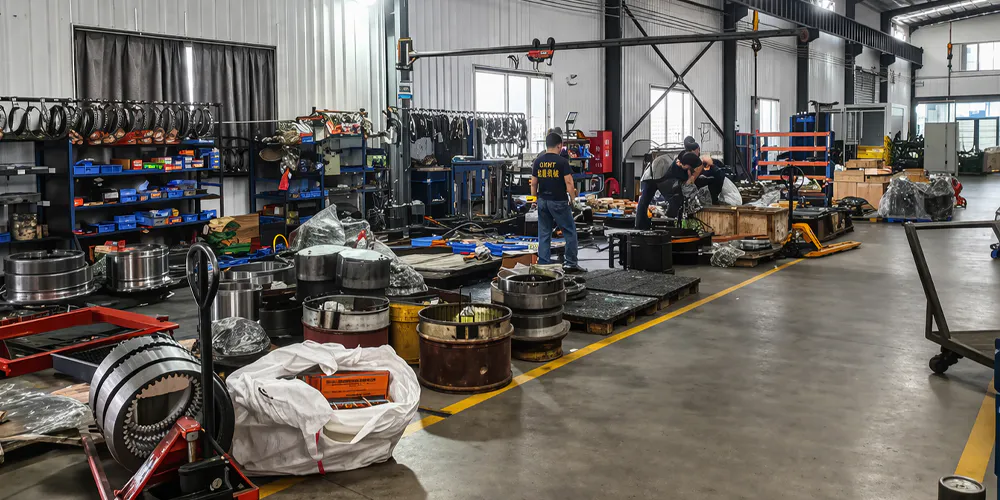
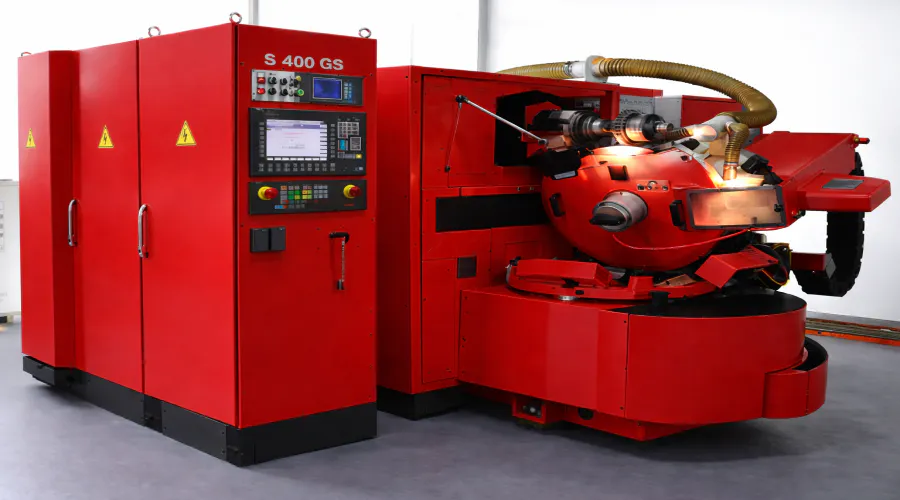
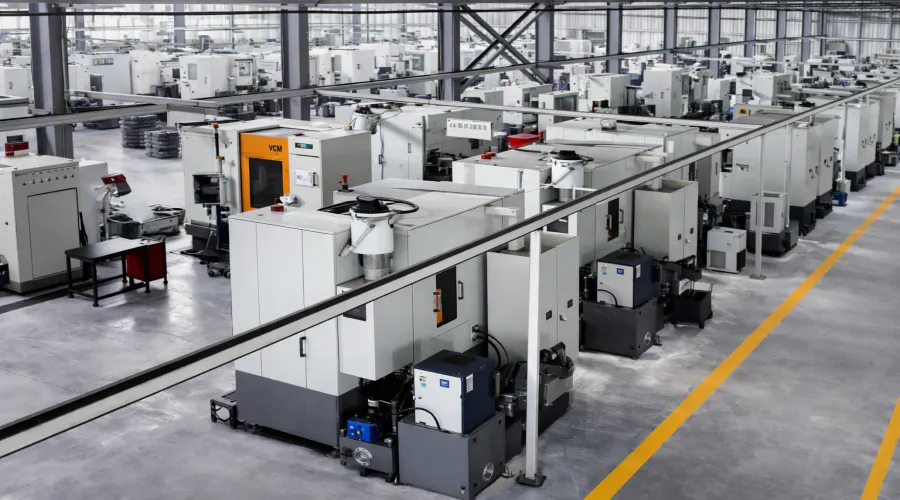
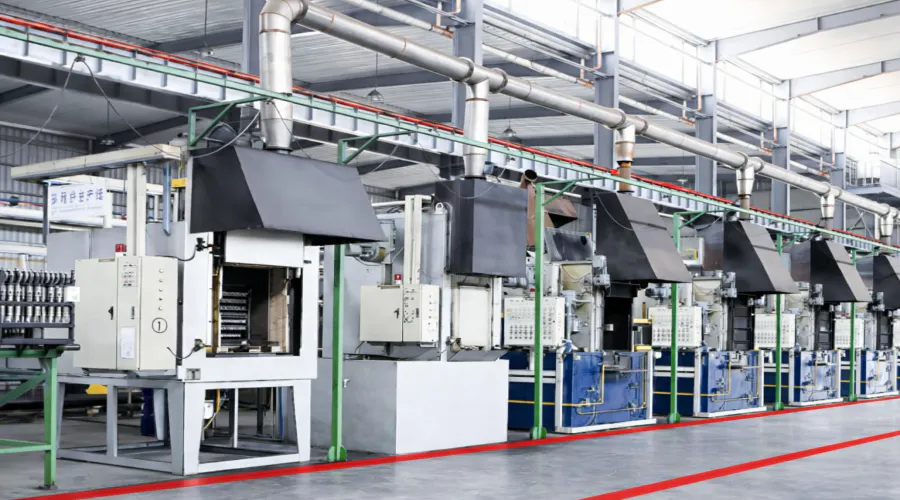
With more than decades of focused experience in the design, manufacturing, and global supply of planetary gear systems, our production facility operates under ISO 9001:2015 certification, running a vertically integrated production model that includes in-house gear hobbing, gear grinding, heat treatment, housing casting, CNC machining, and full assembly and test.
Our engineering team has accumulated extensive field experience across the mining, crane, offshore energy, and agricultural machinery sectors. When a customer in the oil and gas industry in Texas, the construction sector in Florida, or a port operator at a Colombian Atlantic coast terminal brings us an unusual application — a non-standard bore diameter, a special gear ratio, a particular motor adaptor configuration — our engineers work directly from the application data to produce a modified solution rather than forcing the customer to adapt their equipment around a standard catalogue item.
Workshop

9. Related Products & System Components

Worm Reducer

Motor
Frequently Asked Questions
Q1. What is the difference between a winch drive planetary gearbox and a standard helical gearbox for crane applications?
Q2. Which Bosch Rexroth winch gearbox models can the EP-Winch Drive Planetary Gearbox series replace without frame modification?
Q3. What gear ratio should I select for a truck-mounted crane winch requiring 25 rpm drum speed with a hydraulic motor at 1,500 rpm?
Q4. How does the rotating housing design of this winch planetary reducer improve integration inside the winch drum?
Q5. Can the planetary winch gearbox be configured with an electric motor for indoor material hoist applications?
Q6. What maintenance interval is recommended for the integrated parking brake in the winch drive gearbox?
Editor: PXY