
Agricultural Drive Technology
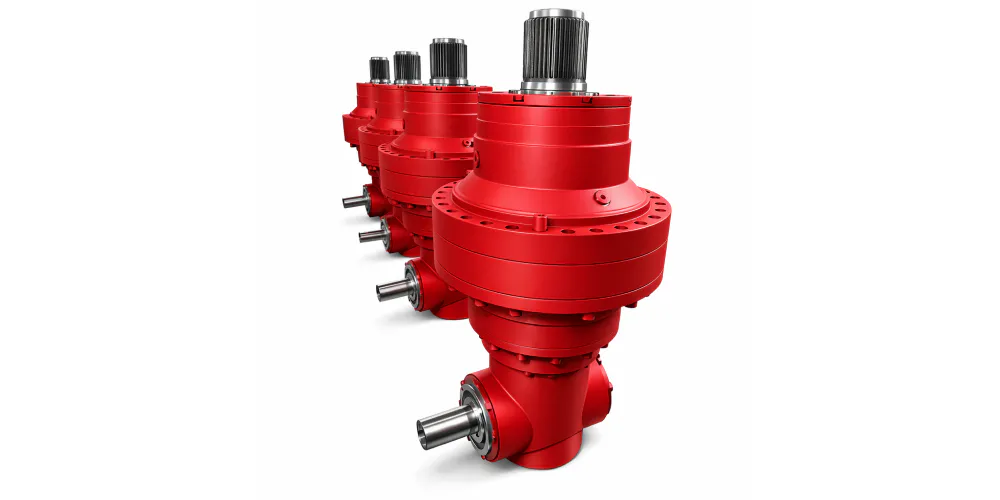
Planetary Gearbox for Feed Mixer — EP Series
Engineered for vertical and horizontal TMR feed mixers, the EP series planetary drive gearbox delivers the sustained torque, structural durability, and low-maintenance operation that modern livestock operations demand — whether you manage a small family farm in the Colombian highlands or a large-scale cattle enterprise in the Llanos Orientales.
1. What Is a Planetary Gearbox for Feed Mixer?
A planetary gearbox for feed mixer is a purpose-built power transmission unit that converts the rotational input from a tractor PTO shaft or hydraulic/electric motor into the controlled, high-torque output required to drive one or more mixing augers inside a TMR (Total Mixed Ration) or vertical feed mixer. The name “planetary” derives from the internal gear arrangement: a central sun gear is surrounded by multiple planet gears that orbit it — very much like planets orbiting a sun — all contained within an outer ring gear. This configuration allows the load to be shared across several mesh points simultaneously, which is the fundamental reason planetary drives can deliver exceptional torque in a remarkably compact housing.
In a feed mixer context, this torque output is critical. Mixing large batches of silage, hay bales, grain, and mineral supplements places extreme, often unpredictable stress on the drivetrain — especially during the initial loading phase when whole bales are chopped and pulled into the auger. Conventional parallel-shaft reducers struggle under these shock loads over time. The EP series planetary drive gearbox is specifically designed to absorb these peak stresses while maintaining smooth, consistent auger rotation, ensuring every batch achieves a homogeneous blend that maximises animal feed conversion and farm profitability.
For Colombian cattle producers, poultry integrators, and dairy cooperatives looking to reduce feed waste and improve herd performance, selecting the correct feed mixer planetary gearbox is one of the most impactful decisions in equipment maintenance and farm planning.
2. How the Planetary Drive Gearbox Works
Understanding the internal mechanics of a planetary drive gearbox helps explain why it outperforms other reducer types in feed mixer applications. The system consists of four main components: the sun gear (connected to the input shaft), three or more planet gears mounted on a carrier, and the ring gear fixed inside the housing. Power enters through the sun gear. As the sun gear turns, it drives the planet gears, which in turn roll against the internal ring gear. Because the ring gear is fixed, the planet carrier — which is attached to the output shaft — rotates in the same direction as the input but at a reduced speed and proportionally increased torque.
In multi-stage EP planetary units designed for feed mixers, this reduction is achieved across two or three sequential planetary stages, allowing total gear ratios from roughly 25:1 up to 200:1 within a single compact assembly. This means a tractor PTO running at 540 RPM can be reduced to the 15–30 RPM range that feed mixer augers typically require, while the output torque may multiply to tens of thousands of Newton-metres depending on the model selected.
A key advantage of the epicyclic arrangement in the context of a TMR mixer planetary gearbox is that the input and output shafts share a common axis (coaxial design). This makes integration into the vertical auger column of a feed wagon much more straightforward than right-angle drives that require offset shaft planning. Additionally, the multi-point load sharing means gear tooth pressure per contact point is dramatically lower, which translates directly into longer service life even under continuous heavy-duty operation.
3. Technical Parameters — EP Feed Mixer Planetary Gearbox
The following table presents representative technical parameters for the EP series planetary drive gearbox as applied to vertical auger feed mixer machinery. Values are indicative for the standard agricultural configuration; engineering teams can specify custom ratios, shaft configurations, and sealing options based on exact mixer design requirements.
| Parameter | EP Series — Feed Mixer Application |
|---|---|
| Gearbox Series | EP Feed Mixer Planetary Gearbox |
| Number of Stages | 2 – 3 stages (selectable) |
| Gear Ratio Range | 25:1 — 200:1 |
| Output Torque (Rated) | 5,000 — 55,000 Nm |
| Peak / Emergency Torque | Up to 2.5× rated torque (short duration) |
| Input Speed (Max.) | 1,000 RPM (PTO) / 1,450 RPM (electric motor) |
| Output Speed (Typical) | 15 — 45 RPM |
| Transmission Efficiency (Per Stage) | ≥ 96% |
| Number of Planet Gears | 3 — 5 per stage |
| Gear Material | 20CrMnTi / 42CrMo4 alloy steel, case-hardened |
| Housing Material | GGG-40 ductile cast iron (EN-GJS-400-15) |
| Output Shaft Type | Solid shaft with keyway / hollow shaft with shrink disc / internal spline |
| Input Connection | Splined PTO shaft (6-spline or 21-spline) / motor flange adapter |
| Bearing Type | Double-row spherical roller bearings (SKF / FAG equivalent) |
| Lubrication System | Splash lubrication (dip); forced oil optional on high-power models |
| Recommended Lubricant | ISO VG 220 mineral gear oil (EP grade); synthetic on request |
| Oil Change Interval | First change at 200 h; thereafter every 2,000 – 3,000 h |
| IP Protection Rating | IP65 (standard); IP67 on request |
| Ambient Operating Temperature | -20 °C to +50 °C |
| Outer Dimensions (H × W × D, representative) | 420 mm × 380 mm × 360 mm (model-dependent; refer to datasheet) |
Note: All specifications are representative of the standard EP feed mixer series. Exact values for torque, ratio, and dimensional data should be confirmed against the product datasheet for the specific model code being specified. Custom configurations are available on request.
4. Five Key Product Advantages
The EP series feed mixer planetary gearbox has earned the trust of agricultural engineers and equipment integrators across Latin America for five defining reasons:
Ultra-High Torque Density
Load is simultaneously distributed across multiple planet gears, allowing the EP gearbox to transmit output torques exceeding 50,000 Nm in certain configurations. This high torque density is achieved without increasing the overall housing size — a critical benefit when space inside a vertical feed wagon is at a premium. Livestock operations running large-capacity wagons (12–20 m³) particularly benefit from this capability, as the auger must generate sufficient force to process whole round bales efficiently.
Compact & Coaxial Design
The coaxial shaft arrangement significantly simplifies installation into vertical and horizontal feed mixers. With input and output sharing the same centreline, engineers avoid the additional complexity and potential misalignment risks associated with angle-drive alternatives. The compact form factor also reduces the overall weight of the mixer drivetrain, improving the vehicle balance of trailed and self-propelled feed wagons — a practical consideration on sloped pastures common across the Andean coffee and cattle regions of Colombia.
Efficiency Up to 97% Per Stage
Because power is transmitted through multiple simultaneous gear meshes rather than a single tooth contact pair, mechanical losses within the EP planetary unit are minimised. Each stage typically operates at 96–98% efficiency, meaning that the vast majority of tractor or motor power reaches the auger rather than being lost as heat. Over a full working season — with feed mixing occurring once or twice daily — this efficiency difference translates into measurable fuel savings, a factor that resonates strongly with Colombian dairy and beef producers facing rising operational costs.
Shock Load Absorption & Durability
Feed mixing involves repetitive shock loads — particularly when bales are introduced and the auger blades first engage the material. The EP series housing is manufactured from high-grade ductile iron and the internal gears are produced from forged alloy steel, case-hardened and precision-ground to provide superior wear resistance. The multi-planet design distributes shock energy across all meshing points simultaneously, greatly reducing the risk of individual gear tooth failure that can cause costly downtime during peak feeding seasons.
Low Maintenance & Long Service Life
The sealed lubrication system within the EP feed mixer gearbox relies on splash or forced oil lubrication — eliminating external pipework that is prone to leaks and damage during field operation. Oil change intervals are typically 2,000–3,000 operating hours, meaning most operations will service the unit once per year under normal usage. Labyrinth seals and quality double-row spherical roller bearings provide reliable protection against dust, chaff, and moisture ingress — environmental conditions that are highly variable across Colombia’s diverse climate zones, from the humid Caribbean coastal plains to the cooler highland plateaux.
5. Materials & Construction Quality
Every component inside the EP series vertical feed mixer gearbox is selected to withstand the demanding conditions of agricultural operation. The gear set — sun gear, planet gears, and ring gear — is manufactured from low-carbon alloy steel (typically 20CrMnTi or equivalent), which is case-carburised, quenched, and then precision-ground to achieve a tooth surface hardness of 58–63 HRC. This hardening process produces a hard, wear-resistant outer layer while retaining a tough, impact-absorbing core — a combination that is essential when the gearbox must handle the shock forces generated as heavy bales are pulled into the mixer.
The output shaft is produced from forged medium-carbon alloy steel (42CrMo4 or 40Cr equivalent), induction-hardened at the bearing and seal journals, and finish-turned to tight tolerances that ensure long bearing life. The housing is cast from GGG-40 ductile iron rather than grey cast iron, because ductile iron offers roughly three times the impact energy absorption — an important distinction in an application where unexpected foreign objects (wire, stones, bolts) occasionally enter the feed and cause sudden torque spikes.
Sealing is achieved through a combination of radial shaft seals (FKM/Viton compound, suitable for oil and grease resistance up to 150 °C) and labyrinth-type non-contact labyrinth rings on the output shaft, which prevent chaff, fine grass particles, and condensation from entering the bearing chambers. This multi-layer sealing approach is especially relevant for Colombian operations where feed mixers may work in high-humidity coastal regions as well as the dusty dry-season conditions prevalent in the Boyacá plateau and the cattle corridors of Córdoba and Cesar departments.
External surfaces are protected by a two-coat paint system applied over a phosphate conversion primer, offering adequate corrosion resistance for open-air agricultural environments. Customers operating in regions with high ambient humidity or frequent chemical wash-down cycles may request an upgraded epoxy-polyurethane topcoat for enhanced protection.
6. Application Scenarios
The EP planetary gearbox for feed mixer is a versatile drivetrain solution suitable for a broad range of livestock feed preparation tasks. Below are the primary scenarios where this planetary mixer gearbox delivers its greatest value:
Vertical Single-Auger TMR Feed Wagons
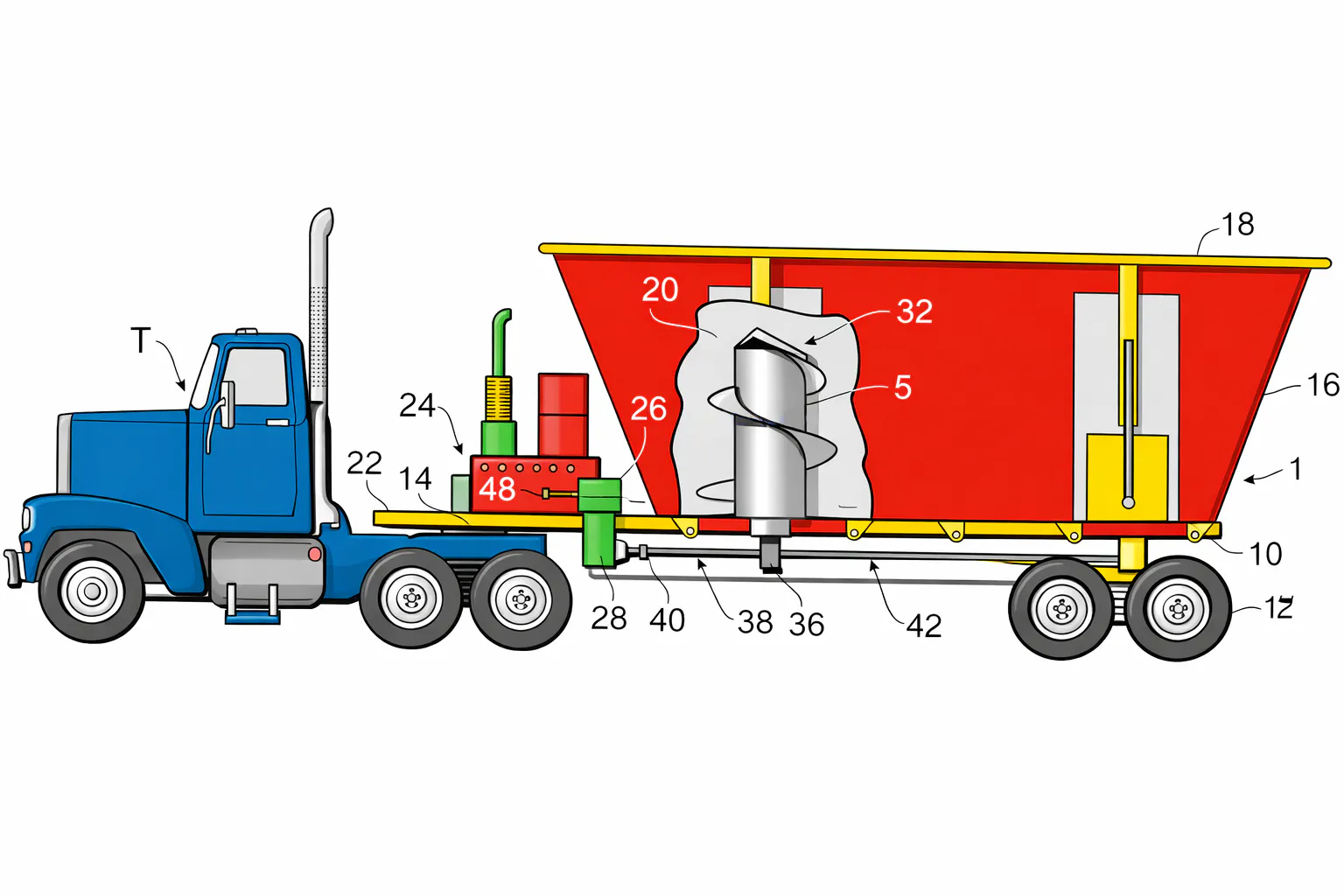
The most common feed mixer configuration in Colombia and across Latin America is the single-auger vertical wagon, typically ranging from 4 to 16 m³ in capacity. The EP planetary gearbox fits directly into the auger column base, converting PTO input into the 20–35 RPM range needed for efficient material turnover. Its coaxial design eliminates the need for intermediate angle gearboxes, reducing both installation complexity and potential failure points.
Twin-Auger Vertical Feed Mixers
Larger dairy herds and integrated beef operations require twin-auger wagons (18–30 m³) to prepare sufficient daily ration volumes in fewer cycles. These machines demand substantially higher torque output and often incorporate one EP planetary gearbox per auger, or a centralised multi-output drive unit. The planetary architecture handles this power split efficiently, ensuring both augers receive balanced torque regardless of the resistance difference between the two mixing chambers.
Stationary / Electric-Motor-Driven Feed Mixing Stations
Intensive livestock production units and feedlots increasingly use fixed, electrically powered mixing stations rather than tractor-driven mobile wagons. In this configuration, an electric motor couples directly to the EP gearbox via a motor flange adapter, driving a stationary vertical auger mixer. The high efficiency of the planetary unit means less electricity wasted as heat, an important factor for large feedlots where the mixer may operate four to six hours daily.
Horizontal Auger Paddle Mixers
Horizontal feed mixers are widely used for dairy cattle in confined operations and for poultry pre-mix preparation. While the auger orientation differs, the torque and speed requirements are similar, and the EP planetary gearbox adapts to this configuration via foot-mount or flange-mount housing arrangements. The high IP65 dust and moisture rating makes it particularly suitable for enclosed barn environments where cleaning routines involve water wash-down.
Biogas Substrate Feed Mixing
Anaerobic digestion plants processing agricultural waste — a growing sector in Colombia’s agribusiness — use mixing augers inside digester tanks to maintain substrate homogeneity. The EP planetary gearbox, with its sealed construction and optional forced-lubrication oil system, handles the continuous-duty cycle required in this application. The gearbox’s resistance to corrosive gases further extends its service life in biogas plant environments, where hydrogen sulphide exposure can degrade lesser-quality seals and surface finishes rapidly.
Replacement & Upgrade Applications
Operators of older feed wagons frequently seek a feed mixer planetary gearbox replacement for worn-out units from original equipment manufacturers. The EP series is engineered with adaptable output shaft configurations — solid, hollow, splined — making it compatible with a wide range of existing auger connections. This interchangeability allows farms to upgrade drivetrain reliability without purchasing a new mixer, a cost-effective strategy that resonates with producers managing operational budgets in Colombia’s competitive livestock sector.
7. Regulatory Compliance — Colombia & Key Export Markets
Agricultural machinery imported into Colombia — including agricultural feed mixer gearboxes in Bogotá and other regions — must navigate a regulatory framework administered by several government bodies. Understanding these requirements is essential for distributors, integrators, and farm machinery importers.
Colombia (ICA & MARD): The Instituto Colombiano Agropecuario (ICA) and the Ministry of Agriculture and Rural Development (MARD) are the primary bodies overseeing the import and use of agricultural equipment inputs. While mechanical drivetrain components like the EP planetary gearbox are not food or veterinary products — and therefore do not require INVIMA registration — importers must comply with DIAN (Dirección de Impuestos y Aduanas Nacionales) customs declarations and MINCIT import licensing where applicable. Equipment documentation, including technical data sheets and safety declarations, must be prepared in Spanish or accompanied by certified translation. The Andean Community of Nations (CAN) framework, of which Colombia is a member, also facilitates trade in industrial goods with Ecuador, Peru, and Bolivia under harmonised tariff and standards provisions.
ISO 9001 & CE Marking (EU): EP series gearboxes are manufactured under ISO 9001 quality management system conditions. For customers exporting finished feed mixer equipment into European Union markets, the CE Machinery Directive 2006/42/EC requires that gearboxes used in powered machinery conform to applicable harmonised standards covering mechanical safety, guarding of moving parts, and noise emission limits. Although CE marking applies to the finished machine rather than the isolated gearbox component, procurement of a gearbox with documented conformity to EN ISO standards (such as EN ISO 12100 for machinery safety) simplifies the overall CE file preparation.
United States (OSHA & ASABE): Producers supplying the US agricultural market should ensure that feed mixer designs incorporating the EP gearbox comply with ASABE (American Society of Agricultural and Biological Engineers) standards for agricultural equipment PTO safety and guarding. OSHA 29 CFR 1910 regulations govern PTO shaft guarding in occupational settings.
Brazil (ABNT): Brazil’s ABNT NBR standards govern agricultural machinery safety (NBR 5418 for electrical equipment in explosive atmospheres and NBR 14885 for machinery general safety are relevant where electrically driven gearboxes are used indoors). Importers into Brazil must also comply with INMETRO certification requirements and IBAMA environmental regulations for industrial lubricants used in gearboxes.
General Lubrication & Environmental Compliance: Used gear oil from feed mixer gearboxes must be disposed of in accordance with Colombia’s environmental regulation under Law 430 of 1998 and Decree 4741 of 2005, which govern the management of hazardous wastes including mineral oils. Operators should contract with an authorised waste oil collector rather than disposing of used lubricants on-site, which carries significant environmental and legal penalties.
8. About Us
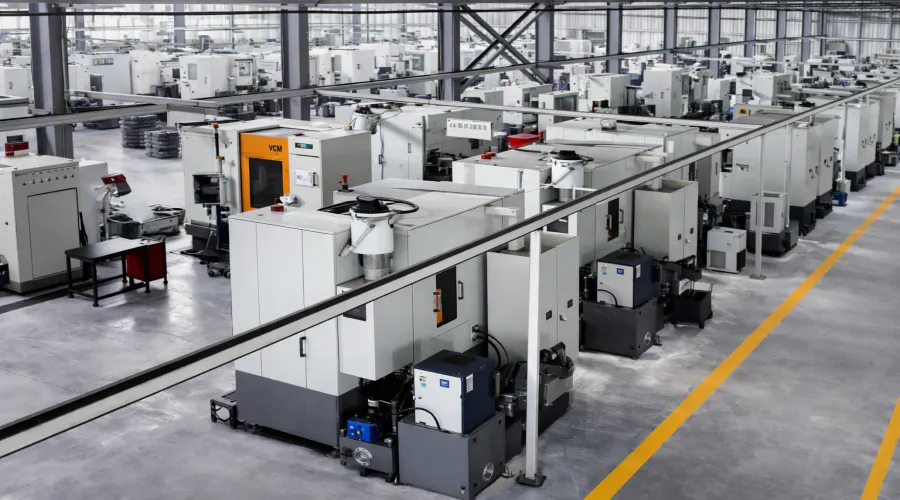
We are a specialist manufacturer and supplier of industrial and agricultural planetary gearboxes, with a dedicated product line covering feed mixer drive systems, construction equipment drives, and general industrial power transmission. Our engineering team combines deep mechanical design expertise with practical knowledge of agricultural machinery requirements — built through years of collaboration with feed wagon manufacturers, equipment integrators, and livestock operations across Latin America, Europe, and Asia.
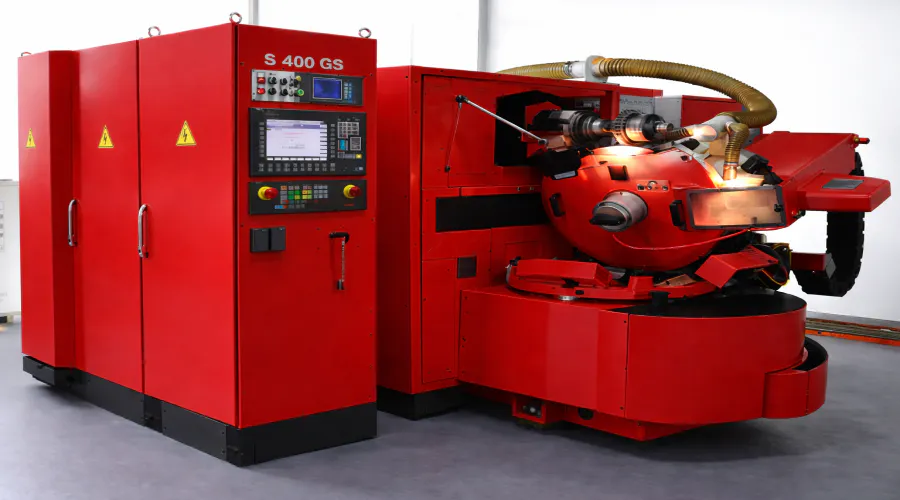
Every EP feed mixer planetary gearbox we produce passes through a structured quality process: raw material chemical analysis, heat treatment verification, gear tooth profile inspection using coordinate measuring machines, assembly torque testing, and a final run-in trial under load.
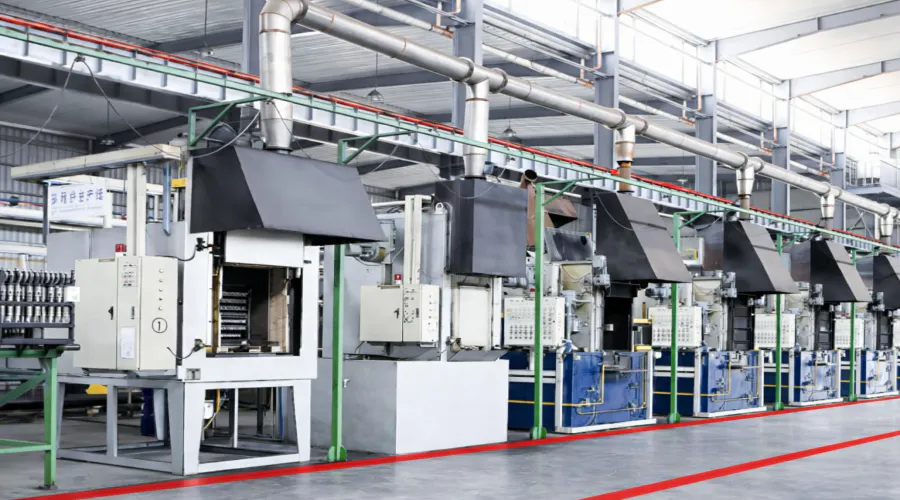
Workshop

Frequently Asked Questions
Q1. What is the best planetary gearbox for a vertical feed mixer used in cattle farming in Colombia? ▼
Q2. How do I find a reliable feed mixer planetary gearbox distributor in Medellín or Bogotá, Colombia? ▼
Q3. Which gear ratio should I select when sourcing a TMR mixer planetary gearbox in Colombia for daily dairy feeding? ▼
Q4. What are the main signs that a feed mixer gearbox needs to be replaced rather than repaired on a livestock farm? ▼
Q5. How does a high torque feed mixer gearbox in Colombia’s humid tropical climate affect lubrication maintenance schedules? ▼
Q6. Can I use a planetary mixer gearbox designed for a vertical auger mixer in a horizontal paddle mixer application? ▼
Q7. Which planetary gearbox model works best with both hydraulic and electric motor input for a feed mixer in the Llanos Orientales of Colombia?▼
Q8. What documents are required when importing a feed mixer planetary gearbox into Colombia for the first time? ▼
Q9. How long does a planetary gearbox for a vertical auger feed mixer typically last before major overhaul in Colombia? ▼
Editor: PXY