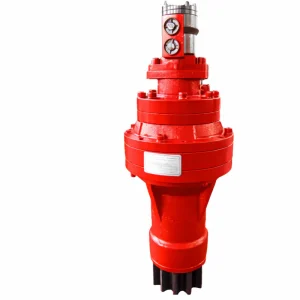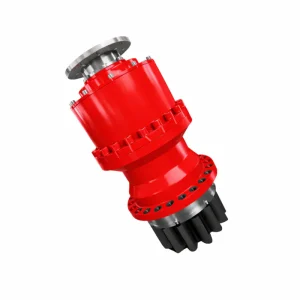
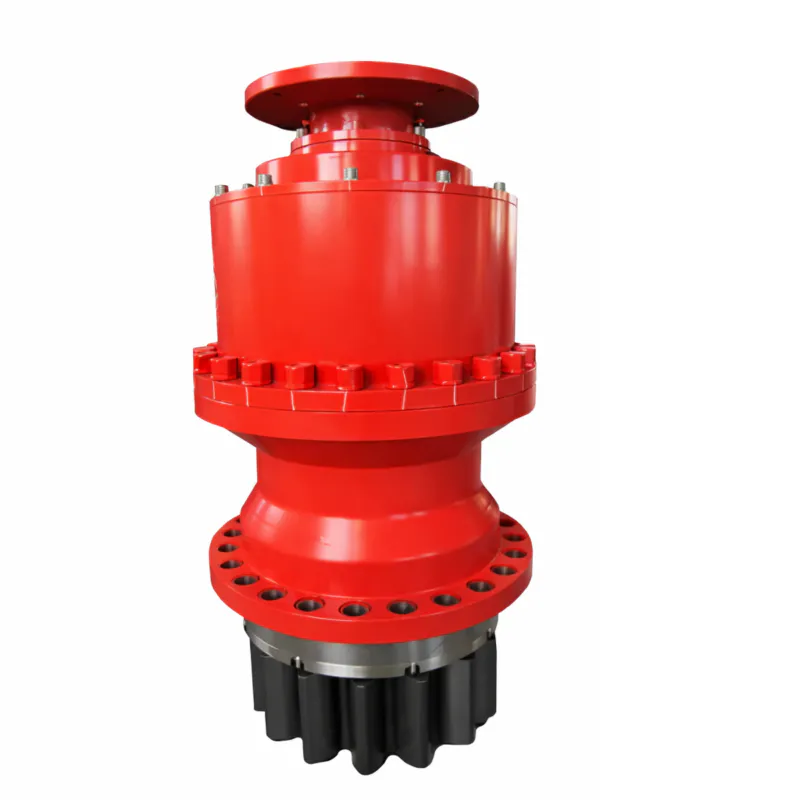
EP-Yaw Drive Planetary Gearbox for Wind Turbine
The EP-Yaw Drive Planetary Gearbox is a multi-stage planetary speed reducer that connects the yaw motor to the nacelle slewing ring gear on a horizontal-axis wind turbine, maintaining rotor alignment with prevailing wind direction in real time. Output torques range from 1,000 N·m to 80,000 N·m across gear ratios of 300:1 to 2,000:1, covering turbines from 500 kW community-scale installations to multi-megawatt commercial wind farm units. Gears are manufactured from 20CrMnTi or 17CrNiMo6 alloy steel, carburized and ground to ISO 1328-1 Grade 5–6, and the unit is sealed to IP65.
1. Technical specifications of the yaw drive planetary gearbox
| Output torque range: | 1000-80000 N·m | ||
| Gear Ratios | i=300-2000 | ||
| Support | slew support (with flange mounted) | ||
| Electric Brake | DC and AC type | ||
| Output shaft | spline or with integral pinion: output shafts supported by heavy duty capacity bearings | ||
| Applicable motors: | IEC electric motors | ||
| Type | Nominal Output Torque (N·m) | Peak Static Output Torque (N·m) | Ratio (i) |
| 700L | 1000 | 2000 | 297-2153 |
| 701L | 2000 | 4000 | 297-2153 |
| 703AL | 2500 | 5000 | 278-1866 |
| 705AL | 5000 | 10000 | 278-1866 |
| 706BL4 | 8000 | 15000 | 203-2045 |
| 707AL4 | 12000 | 25000 | 278-1856 |
| 709AL4 | 18000 | 30000 | 278-1856 |
| 711BL4 | 35000 | 80000 | 256-1606 |
| 710L4 | 25000 | 50000 | 329-1420 |
| 711L4 | 35000 | 80000 | 256-1606 |
| 713L3 | 50000 | 100000 | 250-1748 |
| 715L4 | 80000 | 140000 | 269-1390 |

2. How the Yaw Drive Planetary Gearbox Works
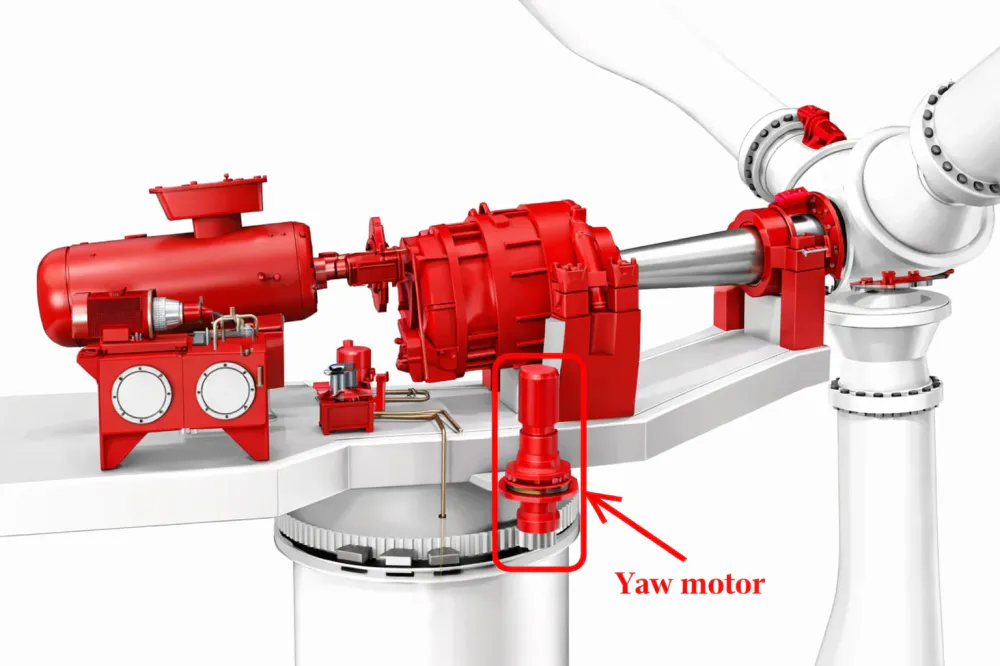
The yaw system in a wind turbine is responsible for rotating the nacelle around the vertical axis of the tower so that the rotor plane remains perpendicular to the wind direction at all times. A wind direction sensor (wind vane) mounted on the nacelle sends continuous data to the turbine control system. When a sustained yaw error is detected — meaning the rotor is no longer facing directly into the wind — the controller activates the yaw drive motors, which then drive the nacelle to realign. The EP-Yaw Drive Planetary Gearbox sits between the yaw motor output shaft and the output pinion that meshes with the yaw ring gear bolted to the top of the tower. Its function is to convert the high-speed, low-torque rotation of the electric (or hydraulic) yaw motor into the extremely low-speed, extremely high-torque rotation required to physically turn the entire nacelle mass — which may weigh 80 to 400 tonnes on a multi-megawatt turbine — against wind loading.
Inside the gearbox, the reduction is achieved through a series of two to five planetary gear stages arranged coaxially. In each stage, the yaw motor drives the sun gear at the center. The sun gear meshes simultaneously with three or more planet gears arranged symmetrically around it inside a fixed ring gear. The planet carrier — connected to the next stage's sun gear or to the output pinion — rotates at a speed reduced by the stage ratio while the torque is multiplied by the same factor. By stacking multiple such stages, the EP series achieves overall gear ratios from 300:1 up to 2,000:1. At a gear ratio of 1,200:1 with a 1,500 RPM IEC motor, for example, the output pinion rotates at 1.25 RPM — the slow, deliberate pace at which the nacelle turns on the yaw ring. The output pinion typically has 16–24 teeth engaging the yaw ring's internal or external tooth system, and two to twelve such yaw drive units operate in parallel around the circumference of a commercial wind turbine tower flange, sharing the nacelle rotation torque load equally among them.
A critical secondary function of the yaw drive planetary gearbox is self-braking under load. When the yaw motor is de-energized and the mechanical brake engages, the high overall gear ratio creates substantial back-drive resistance that prevents wind-induced nacelle rotation — effectively locking the nacelle in position between active yaw events. This holding function is essential for structural integrity because uncontrolled yaw oscillation in high-wind conditions would introduce destructive fatigue loading into the tower flange and nacelle bedplate. For wind turbines operating in the high-wind coastal environment of Colombia's Alta Guajira, where sustained wind speeds exceed 10 m/s and gust factors can be significant, the holding torque capacity of the yaw planetary gearbox is a primary design parameter reviewed during turbine structural certification.
3. Five Key Engineering Advantages of Yaw Drive Planetary Gearbox
1. Ultra-High Reduction Ratio in a Compact Package
Achieving a gear ratio of 1,200:1 or 2,000:1 in a single housing is only possible with a multi-stage planetary architecture. The EP yaw drive planetary gearbox uses two to five coaxial planetary stages to deliver ratios across the full 300:1 to 2,000:1 range within a housing envelope that fits the standard nacelle yaw deck footprint. This compact power density is what makes a planetary gearbox the universal choice for wind turbine yaw drives globally — and it is the reason the EP series is compatible as a direct replacement for yaw gearboxes on Vestas, Siemens Gamesa, GE, Goldwind, and Envision turbine platforms without modification to the nacelle structure or tower flange. For wind farm operators in Colombia managing maintenance logistics on remote sites in La Guajira or the Andes, a compact replacement unit that arrives fully assembled and ready for installation significantly reduces crane time and turbine downtime costs.
2. Carburized and Ground Gears for 20-Year Fatigue Life
The yaw drive gearbox is one of the few wind turbine components that cannot be replaced without a major crane operation. It must therefore demonstrate reliable fatigue performance across the turbine's full 20-year design life without internal gear failure. The EP yaw drive planetary gearbox are manufactured from 20CrMnTi or 17CrNiMo6 alloy steel — the latter a wind-turbine-industry standard grade used in GL-certified gearboxes — carburized to a case depth of 0.8–2.0 mm, quench-hardened to 58–62 HRC surface hardness, and precision ground to ISO 1328-1 Class 5–6. This surface condition minimizes Hertzian contact stress under the cyclic low-speed, high-torque loading that characterizes yaw operation, and the case-hardened core retains the toughness to resist the high bending stresses at the tooth root during gust-load events — the most damaging fatigue cycle in the yaw drive's load spectrum.
3. Integrated Holding Brake for Secure Nacelle Lock
Every EP-Yaw Drive Planetary Gearbox is available with an integrated DC or AC electromagnetic disc brake mounted on the motor input end. When the yaw motor is stopped and the brake engages, it physically locks the gearbox input shaft, preventing any back-drive of the gear train from wind-induced nacelle moments. The combination of gear train self-locking resistance at high overall ratios and the positive input brake provides the redundant nacelle holding torque required by IEC 61400-1 structural safety standards. For wind farms in Colombia's La Guajira peninsula where sustained trade winds can apply continuous lateral yaw moments on a stationary nacelle, this dual-hold system is a critical reliability feature that protects the yaw ring gear, tower flange bolts, and nacelle bedplate welds from fatigue accumulation during non-yawing periods.
4. Optimized Radial Load Capacity at the Output Pinion
The output pinion of a yaw drive planetary gearbox is loaded with a large radial force as it meshes against the yaw ring gear under full nacelle turning torque. This radial loading is carried by the output shaft bearings, which in the EP yaw drive planetary gearbox are heavy-duty tapered roller bearings pre-loaded and configured for combined axial and radial load duty. Bearing selection is verified by ISO 281 L10h life calculation against the turbine's design load spectrum, targeting a calculated bearing life exceeding 175,000 hours. The output shaft can be configured with a splined bore, an integral pinion, or an inserted pinion in a range of module sizes (Module 8 to Module 20) to match the yaw ring gear specification of the target turbine platform, ensuring that the EP yaw drive planetary gearbox can be fitted to a broad range of turbine sizes without custom engineering on each project.
5. IP65 Sealing for Offshore and Coastal Environments
Wind turbines in Colombia's highest-resource locations — the Alta Guajira peninsula and the Caribbean coastal departments of Atlántico and Bolívar — operate in environments characterized by salt-laden air, high humidity, and abrasive airborne particles from the desert landscape. The EP-Yaw Drive Planetary Gearbox housing is sealed to IEC 60529 IP65, with FKM (Viton) radial shaft seals at all rotating exits and EPDM O-ring face seals at all housing joints. The cast iron housing exterior receives a two-coat corrosion protection system (epoxy primer plus high-build polyurethane topcoat) rated to ISO 12944-5 Category C4-H (industrial and coastal environment, high humidity). This sealing and coating system protects the gear oil and internal components from the corrosive environment that progressively degrades inadequately sealed gearboxes at coastal wind sites, extending maintenance intervals and reducing lifetime operating costs.
4. Materials and Component Engineering
A yaw drive planetary gearbox operates under conditions that eliminate any margin for material compromise: cyclic torque loading from thousands of yaw events per year, sustained static holding loads between yaw cycles, thermal cycling from overnight lows to nacelle operating temperatures, and — for Colombian coastal wind sites — continuous salt-air exposure at the tower top. Every material in the EP yaw drive planetary gearbox is selected against these specific failure modes, not merely against generic industrial gearbox duty.
Gears — 20CrMnTi / 17CrNiMo6
Sun gears, planet gears, and ring gears are produced from either 20CrMnTi (standard) or 17CrNiMo6 (wind-turbine-certified grade) alloy steel. Both are carburized to a case depth of 0.8–2.0 mm, oil-quenched, and low-temperature tempered at 160–180°C. Surface hardness reaches 58–62 HRC; core toughness is maintained at 35–45 HRC. All gear flanks are precision ground to ISO Grade 5–6 after heat treatment, achieving Ra ≤ 0.8 µm for minimal noise and maximum load distribution uniformity across the planet gear contact pattern.
Housing — HT250 / QT500
Standard frames use HT250 gray cast iron for its vibration damping and dimensional stability. For large-frame units (output torque above 30,000 N·m) where shock load resistance is a primary concern, QT500-7 ductile iron (min. tensile strength 500 MPa, elongation ≥ 7%) is specified. Housing exterior receives ISO 12944-5 C4-H corrosion protection — essential for tower-top installation at coastal wind sites in Colombia's Guajira and Atlántico departments.
Shafts and Planet Carriers — 42CrMo4
Input shafts, intermediate shafts, and planet carriers are machined from 42CrMo4 (AISI 4140 equivalent), heat-treated to 28–35 HRC. Planet carriers for large-frame units are either precision-cast from QT450-10 ductile iron or machined from 42CrMo4 forging, depending on frame size and load case. Dimensional tolerances on all spline and keyway connections are held to DIN 5480 / ISO 4156 standards.
Bearings — Heavy-Duty Roller Types
All shaft positions use grade-matched cylindrical roller bearings (for planet pin positions) and tapered or spherical roller bearings (for output shaft positions), selected to ISO 281 L10h life calculation against the turbine's representative load spectrum. Bearing preload is set to eliminate internal clearance under operating conditions, preventing micro-slippage that causes false-brinelling damage during the sustained static holding periods between active yaw cycles.
Seals and Lubrication System
FKM radial shaft seals at all rotating exits resist synthetic gear oil degradation and operate across -40°C to +120°C — covering the full thermal range from cold La Guajira pre-dawn temperatures to peak nacelle internal temperatures during summer operation. Standard lubrication is ISO VG 220 synthetic gear oil (PAO-based). An optional forced-lubrication pump with oil filtration and temperature monitoring is available for high-utilization turbines where convection-cooled splash lubrication alone is insufficient to manage heat removal at high yaw cycle frequency.
5. Application Scenarios
The EP-Yaw Drive Planetary Gearbox is specified for the yaw system on horizontal-axis wind turbines across a range of installation types and turbine classes. The following scenarios reflect the most relevant deployment contexts for wind energy projects in Colombia and the wider Latin American renewable energy market, where wind resource development is accelerating rapidly under national energy transition mandates.
Commercial Onshore Wind Farms — La Guajira, Colombia
Colombia's Alta Guajira department is home to the country's highest-wind-resource zone, with average wind speeds exceeding 10 m/s and annual capacity factors above 50% at premium sites. Projects including Jemeiwaa Ka'I (204 MW), Windpeshi (200 MW), and the Guajira 1 wind farm represent the vanguard of Colombia's commercial wind energy program under UPME's energy transition roadmap. Large wind turbines (2–5 MW class) installed at these projects each require 4–8 yaw drive planetary gearboxes per turbine, operating continuously in a high-wind, high-humidity, salt-air coastal environment. The EP yaw drive planetary gearboxes' IP65 sealing, ISO 12944-5 C4-H coating, and 20-year fatigue design life are all specified to match precisely the conditions these projects impose.
Medium-Scale Wind Projects — Andean and Caribbean Corridors
Beyond La Guajira, viable wind resources exist in the Andes mountain corridors, the Caribbean coastal departments of Atlántico, Bolívar, and Cesar, and the eastern Llanos where elevation and topography create channeled wind flows. Projects in these regions typically deploy smaller turbines (500 kW to 2 MW class) that require 2–4 yaw drive planetary gearboxes per unit. The EP yaw drive planetary gearbox covers this range with lower-torque configurations (1,000–20,000 N·m output) in more compact housings, and the modular pinion output system makes the same gearbox adaptable to different yaw ring gear module specifications from turbine platform to platform.
Wind Turbine Yaw Gearbox Replacement and Retrofit
Operating wind turbines that have reached the end of their original yaw gearbox service life — or that have suffered bearing or gear failures before the planned maintenance interval — require a replacement yaw planetary gearbox. Finding a reliable wind turbine yaw gearbox replacement in Bogotá or Barranquilla that matches the original OEM specification has historically required long international procurement lead times. The EP yaw drive planetary gearbox addresses this by maintaining a technical catalogue cross-referencing common OEM yaw gearbox part numbers and providing pre-validated dimensional data sheets that confirm fitment compatibility before order placement, reducing the specifying engineer's work and minimizing turbine downtime at remote Colombian wind sites.
Offshore and Near-Shore Wind Development
Colombia's Caribbean coastline and the Gulf of Morrosquillo are emerging as potential offshore and near-shore wind development zones under the country's long-term energy planning. Offshore turbines impose the most severe environmental demands on yaw drive planetary gearboxes: continuous salt-spray exposure, limited maintenance access for gearbox service, and the structural demands of wave-induced platform motion in addition to wind loading. The EP yaw drive planetary gearbox high-IP-rating configuration with optional forced lubrication, double-layer corrosion coating, and DNV GL-referenced design calculations provides the technical foundation for offshore-grade yaw drive supply from an accessible regional supplier base in Latin America.
Solar Tracker and Slew Drive Applications
Beyond wind turbines, the planetary yaw drive architecture is directly applicable to single-axis and dual-axis solar tracker systems — another rapidly growing technology sector in Colombia, where solar irradiation in the Caribe, Llanos, and Pacific coast regions supports large-scale photovoltaic deployment. The same EP planetary gearbox platform configured with a smaller torque output and a slower, more precise output speed serves as the drive unit for tracker rotation axes, providing a common spare-parts and service ecosystem for developers managing both wind and solar assets in Colombia's increasingly diversified renewable energy portfolio.
6. Regulatory and Certification Framework
Wind turbine components, including the yaw drive planetary gearbox, are subject to a layered regulatory and certification framework covering structural safety, electrical safety, environmental requirements, and national energy project approval processes. The following section covers the most relevant regulations for wind energy projects and equipment procurement in Colombia and the primary export markets.
Colombia — UPME, CREG, and MinAmbiente
Wind energy projects in Colombia are planned and authorized through the Unidad de Planeación Minero Energética (UPME) under the framework of Ley 1715 de 2014 (Ley de Energías Renovables), which establishes incentives for non-conventional renewable energy sources, including wind. The Comisión de Regulación de Energía y Gas (CREG) regulates the electricity market conditions under which wind energy generators connect to the national grid. Environmental licensing for wind farm construction — including turbine installation — requires Environmental Impact Assessment (EIA) approval from the Autoridad Nacional de Licencias Ambientales (ANLA) under Decreto 2041 de 2014. Imported wind turbine components, including gearboxes, are classified under HS Code 8412.80 or 8483.40 for DIAN customs purposes; a technical product description and conformity statement referencing applicable standards (IEC 61400-1, ISO 1328-1) should accompany import documentation.
International — IEC 61400 and AGMA 6006
The primary international technical standard governing wind turbine design — and by extension the structural requirements on all drive components including the yaw gearbox — is IEC 61400-1:2019 (Wind energy generation systems — Design requirements). This standard defines the load cases, fatigue design methodologies, and safety factors that gearbox manufacturers must use to validate their designs. AGMA 6006-A03 (Standard for Design and Specification of Gearboxes for Wind Turbines) provides gear-specific design and rating methodology. For turbine projects seeking certification, the DNV GL Guideline for the Certification of Wind Turbines (2010 edition, now administered by DNV) or GL Renewables Certification remains the most widely accepted third-party certification framework globally and in Colombia's project financing community.
European Union — CE and Machinery Directive
Wind turbines installed or exported to the EU market must comply with the CE Machinery Directive 2006/42/EC, which requires a Declaration of Incorporation for sub-assemblies like yaw drive gearboxes and a full CE Declaration of Conformity for the complete turbine. The Electromagnetic Compatibility Directive 2014/30/EU and the Low Voltage Directive 2014/35/EU apply to the electrical brake and motor components of the yaw drive assembly.
United States — AWEA and OSHA
In the United States, wind turbine component design and testing follows AWEA (American Wind Energy Association) standards referencing IEC 61400 series. OSHA 29 CFR 1910.269 covers electrical safety for power generation equipment. Import of wind energy components into the US typically falls under the exclusion process of the Section 301 tariff program; buyers should confirm current classification and duty treatment with a US customs attorney before shipment.
7. About Us
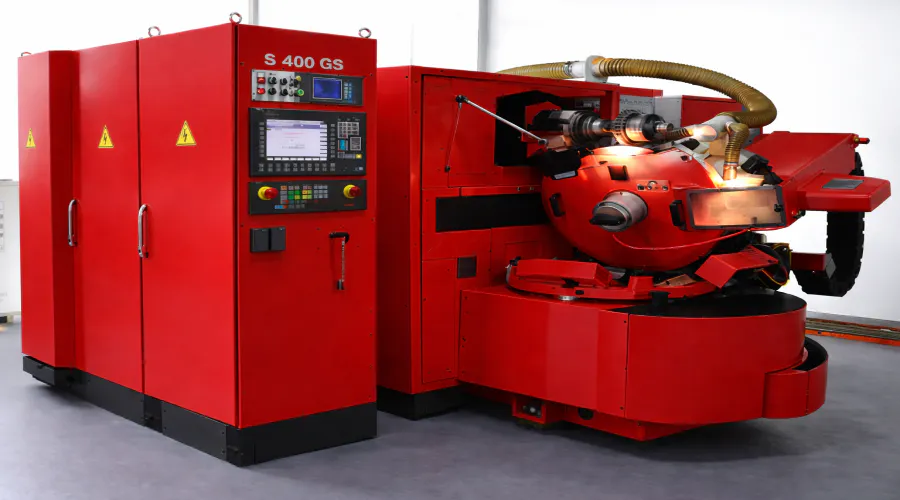
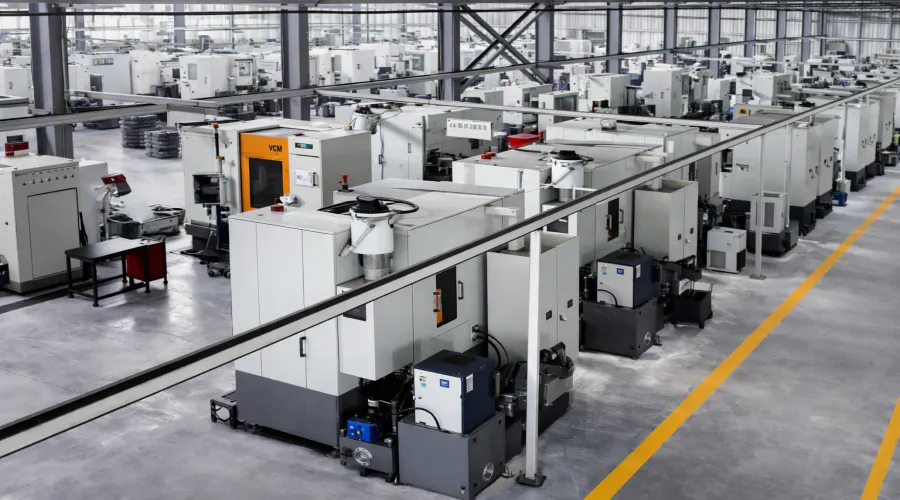
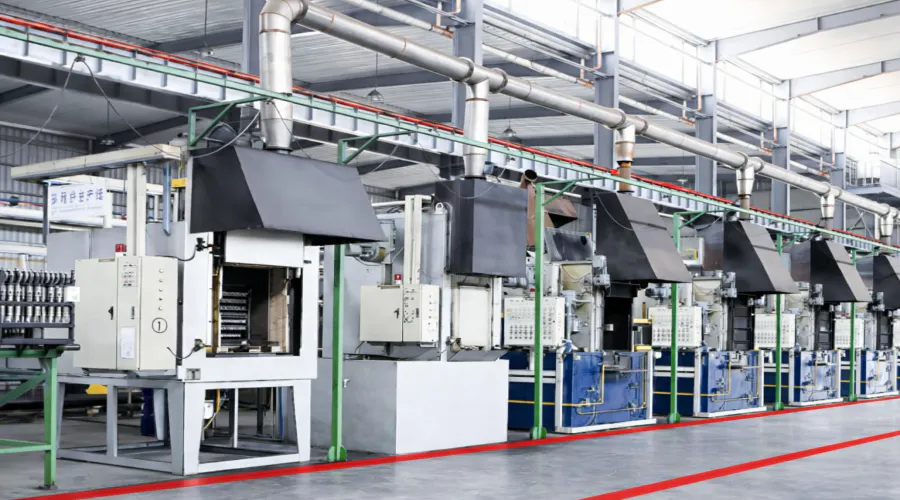
We are a specialist manufacturer of planetary gearboxes for wind energy, industrial, and agricultural drive applications, with over decades of years of dedicated engineering experience in yaw drive and pitch drive planetary gearbox design. Our production facility includes CNC gear profile grinding machines capable of working to ISO Grade 4–6, a controlled-atmosphere carburizing furnace line, a full coordinate measuring machine (CMM) inspection cell, and a loaded planetary gearbox run-test bench.
We supply yaw drive planetary gearboxes to wind turbine OEM manufacturers and wind farm operators across more than 40 countries, with a growing installed base supporting Colombia's pioneering wind energy projects in La Guajira and the adjacent Caribbean departments. Technical consultation, dimensional cross-reference for replacement applications, load calculation review against project-specific load spectra, and post-installation spare-parts support are all standard services provided to wind farm operators, EPCs, and authorized distributors in Colombia.
WorkShop

8. Related Products
Wind energy projects and industrial machinery operators often require complementary power transmission and drive components alongside the yaw drive planetary gearbox. We supply a broader range of mechanical drive products that support one-stop procurement for wind farm operators, EPCs, and industrial machinery builders across Colombia and Latin America — simplifying procurement, documentation, and spare-parts management across a project's full equipment scope.

Drive Motor
Frequently Asked Questions
Q1. What is the yaw system in a wind turbine and why does it need a planetary gearbox to function correctly?
The yaw system in a wind turbine is used for rotating the nacelle around the tower's vertical axis to keep the rotor plane perpendicular to the wind direction. A wind vane sends real-time wind direction data to the turbine controller, which activates the yaw drive motors when a significant yaw error is detected. Because a nacelle can weigh 80 to 400 tonnes and the turning moment required to rotate it against wind loading is enormous, a planetary gearbox is essential to reduce the yaw motor's high-speed, low-torque output to the low-speed, high-torque rotation the nacelle requires — typically at ratios of 300:1 to 2,000:1. No other gear architecture delivers this reduction ratio in the compact, lightweight, and maintenance-minimal package that fits within the nacelle's tower-top mounting footprint.
Q2. How do I get a quote for an OEM yaw drive planetary gearbox supplier Colombia for a 120 MW wind project in La Guajira?
To receive a technically accurate quotation for a wind project in La Guajira or elsewhere in Colombia, the most useful information to provide is: turbine OEM and model, rated turbine capacity (MW), the original yaw gearbox part number or dimensional drawing, the required output torque and gear ratio, the yaw ring gear module and tooth count, the number of drives per turbine and total turbines in the project, and the timeline from purchase order to required delivery at the project site. We return a technical proposal and quotation within 48 hours for requests containing this information.
Q3. What are the most common failure modes for a yaw drive planetary gearbox in a wind turbine, and how can they be prevented?
The three most common yaw drive gearbox failure modes are: (1) Bearing false-brinelling — micro-indentations on bearing raceways caused by vibration during static holding periods when the nacelle is stationary but exposed to gusty wind; prevented by bearing pre-loading, vibration-damping bearing arrangement, and periodic slow yaw oscillation programmed into the turbine control system. (2) Gear surface fatigue (pitting) — contact fatigue progressing across the gear flank tooth surface; prevented by correct material selection (17CrNiMo6 over lower-grade alloys), adequate case hardening depth, and maintaining clean gear oil within viscosity specification. (3) Seal failure and gear oil contamination — progressive ingress of water and fine particulates through degraded seals; prevented by FKM seal specification, IP65 housing integrity maintenance, and annual oil analysis to detect contamination before it reaches damaging concentrations.
Q4. How many yaw drive planetary gearboxes does a typical wind turbine need, and how are they arranged around the yaw ring?
The number of yaw drive gearboxes per turbine depends on the nacelle mass, turbine power class, and the design nacelle turning torque. Small turbines (500 kW – 1 MW) typically use 2–4 yaw drives; medium turbines (1–3 MW) use 4–8 drives; and large multi-megawatt turbines can use up to 12 drives distributed equally around the circumference of the yaw ring. Each drive unit's output pinion meshes with the common yaw ring gear, and the drives are wired to operate simultaneously from the same controller command — sharing the total nacelle turning moment equally. This redundancy also provides operational resilience: most turbine controllers can continue yaw operation on a reduced number of active drives if one unit requires maintenance, preventing a complete turbine shutdown for what would otherwise be a single-gearbox service event.
Q5. What gear ratio should I specify for a yaw drive planetary gearbox for a 2.5 MW wind turbine operating in the La Guajira wind energy zone?
For a 2.5 MW turbine, yaw drive gear ratios in the range of 1,000:1 to 1,600:1 are typical, depending on the yaw motor's rated speed (usually 1,400–1,500 RPM for a 4-pole IEC motor) and the required nacelle rotation speed (typically 0.3–1.0 RPM for standard active yaw control). The exact ratio is determined by the turbine's yaw control loop parameters and the total yaw system torque requirement, which depends on nacelle mass, wind loading assumptions at the La Guajira site (IEC Wind Class IA or IEC Turbine Class S for the Guajira's specific turbulence and gust profile), and the number of drives in the system. We can review your turbine's specific load data and recommend the correct EP ratio configuration for your project if you share the turbine specification sheet.
Q6. What lubrication and maintenance schedule does a yaw planetary drive gearbox require when operating on a Colombian coastal wind farm?
The EP yaw drive planetary gearbox is filled with ISO VG 220 fully synthetic PAO-based gear oil at the factory. For operation at La Guajira coastal sites where ambient temperatures range from 22°C to 38°C and the nacelle internal temperature can peak above 50°C during summer, synthetic oil's superior viscosity stability and oxidation resistance are essential for maintaining the oil film at all operating conditions. Recommended maintenance intervals: oil level check every 6 months; oil analysis (viscosity, particle count, water content) every 12 months; complete oil drain and refill every 5 years or 30,000 operating hours. Bearing condition should be assessed by vibration analysis at each annual service visit. All maintenance should be performed by personnel with wind turbine mechanical training and following the turbine OEM's safety-at-height procedures for nacelle access.
Q7. How does a yaw drive gearbox distributor in Barranquilla support the wind projects in Atlántico and La Guajira departments of Colombia?
Our authorized distributor in Barranquilla maintains a technical inventory of EP-series yaw drive planetary gearboxes and spare-parts kits sized for the turbine platforms operating in Atlántico and La Guajira. They provide technical consultation for replacement specification, coordinate logistics for transportation to remote project sites (including the road access challenges specific to the Alta Guajira peninsula), handle local import and customs clearance documentation for any equipment shipped internationally, and organize field service coordination with O&M teams for installation support. For wind farm developers planning new projects in northern Colombia's Caribbean wind zone, early engagement with the Barranquilla distribution point ensures supply-chain continuity is built into the project's O&M plan from the development stage.
Q8. Which yaw drive planetary gearbox configuration is best for a heavy duty wind farm application in Bucaramanga's Andean foothills with variable wind and cold-temperature nights?
For an Andean foothill site near Bucaramanga where overnight temperatures drop significantly and wind turbulence intensity is higher than at coastal sites, we recommend an EP-series yaw gearbox configured with: ISO VG 220 PAO synthetic gear oil (good cold-flow properties down to -40°C), FKM seals (stable across the full temperature swing), a low-temperature bearing grease option for the output shaft bearings, and the 17CrNiMo6 gear steel grade for improved fatigue resistance under the higher turbulence load spectrum typical of complex mountain terrain wind flows. The gear ratio should be matched to the turbine's specific load calculation for turbulence intensity Class B or C per IEC 61400-1, which is more conservative than the Class A (coastal) specification and typically results in a slightly higher torque rating being selected from the EP range.
Editor: PXY