
Modern large-span greenhouse complexes — whether producing cut flowers in the Sabana de Bogotá highlands, tomatoes under glass in the Dutch Westland model, or leafy greens in equatorial controlled environment facilities — depend on precisely managed ventilation to maintain crop microclimate within the narrow temperature and humidity bands that determine yield and quality. Natural ventilation through roof vents remains the most energy-efficient method of removing excess heat and humidity from a greenhouse volume, but actuating hundreds of vent panels across a multi-span glass greenhouse automatically, reliably, and with minimal power consumption requires a drive architecture that solves a specific spatial problem: how to transmit torque along the horizontal ridge axis of each greenhouse span and convert it into the opening force acting perpendicular to the vent panel hinge.
The answer adopted universally in commercial greenhouse automation is the horizontal drive shaft running the full length of each roof span, coupled to individual vent panels by a system of rack-and-pinion or crank mechanisms. Positioned at the junction between the horizontal drive shaft and the drive motor — typically a low-power AC geared motor or brushless DC unit — is a right angle planetary gearbox that accomplishes three things simultaneously: it changes the drive direction by 90 degrees to align the motor with the building structure mounting constraints, it provides a speed reduction ratio matched to the vent opening speed and travel time requirement, and it delivers a torque output sufficient to move the combined weight of the vent panels plus the wind and negative pressure loads that act on them during opening and closing sequences.
This article provides a detailed technical examination of the right angle planetary gearbox as applied in greenhouse roof ventilation actuator systems. The content covers how the gearbox is integrated into the drive train architecture, what the horticultural environment demands of the gearbox materials and surface treatment, which failure modes are most frequently encountered in field service, and how a well-specified unit is configured to serve reliably through the 10 to 20-year operational lifespan expected of a commercial greenhouse structure. Product data referenced reflects precision planetary gearbox specifications from the industrial automation market; custom configurations outside standard catalogue parameters are available for project-specific applications.
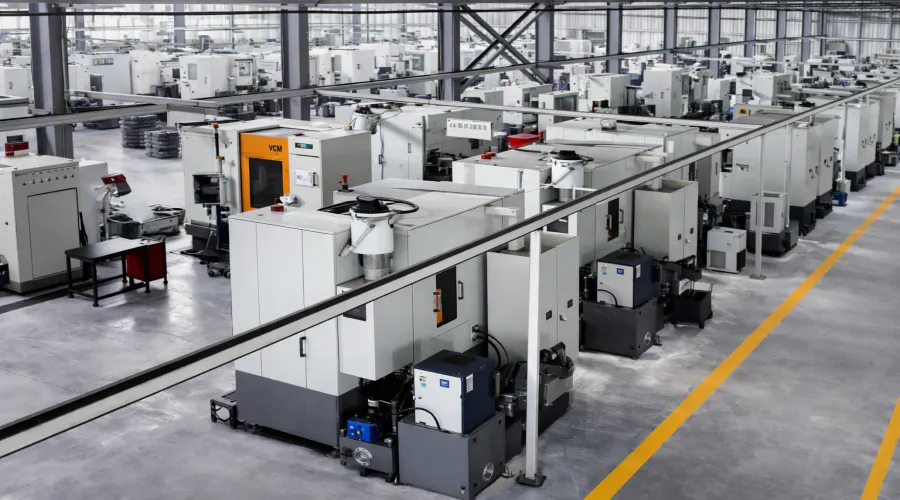
1. Application Context: Automated Greenhouse Roof Vent Systems
A standard multi-span Dutch-style Venlo greenhouse allocates one roof vent opening per 4-meter span section, positioned on the leeward side of the ridge. In a 10-span, 100-meter-long greenhouse, this produces 25 vent panels per span side — 250 individual vent panels per roof ridge line, each weighing 8 to 20 kg depending on glass area and frame profile. Opening these panels simultaneously and synchronizing their position across multiple spans in response to climate computer commands is the central mechanical challenge that the horizontal drive shaft and right angle planetary gearbox system is designed to address.
The drive shaft — typically a 30 to 50 mm diameter steel tube running the full span length — receives its rotary input from a single drive unit mounted at the gable end of the greenhouse span. Each vent panel along the span is connected to the rotating shaft by an individual crank or rack mechanism that converts shaft rotation into the push-pull movement that opens and closes the vent panel relative to its hinged glass frame. The drive unit itself consists of a low-power motor — typically 0.37 to 1.5 kW — coupled to a right angle planetary gearbox that delivers the reduced-speed, high-torque output needed to rotate the drive shaft against the combined load of all the panels on that span plus the wind pressure that may be acting during a venting cycle.
In the Colombian floriculture context, this system operates in a climate that is fundamentally different from the northern European greenhouse environments where the technology was originally developed. The Sabana de Bogotá plateau at 2,600 meters above sea level presents a high-UV radiation environment, diurnal temperature swings from 8°C to 22°C within the same day, and relative humidity ranging from 55% to over 95% — a combination that accelerates corrosion and UV degradation of external components. The compact right angle planetary gearbox Colombia floriculture market accordingly places specific requirements on housing protection rating, external surface treatment, and seal material selection that differ from European climate specifications.
2. Motion Architecture: How the Right Angle Planetary Gearbox Works in a Roof Vent System
Power flows from the drive motor through the gearbox input coupling into the sun gear of the first planetary reduction stage. The sun gear meshes simultaneously with three planet gears arranged symmetrically around it; each planet gear also meshes with the fixed internal ring gear. As the sun rotates, the planet gears roll around the inside of the ring gear, and the planet carrier — to which all planet pin shafts are attached — rotates at a reduced speed proportional to the gear ratio. For a single-stage ratio of 5:1, a motor running at 1,450 RPM produces a carrier output of 290 RPM. In a two-stage unit, this 290 RPM feeds into a second planetary stage, reducing output further — a 5:1 second stage yields 58 RPM. This coaxial output then drives the spiral bevel pinion of the right-angle output head, which meshes with the bevel ring gear on the 90-degree output shaft.
The 90-degree output shaft connects directly to the greenhouse horizontal drive shaft through a rigid or flexible coupling. When the climate computer issues a vent-open command, the motor runs in the forward direction, rotating the drive shaft and progressively opening all vent panels connected to it via their individual crank or rack mechanisms. The typical vent opening time from fully closed to fully open is 3 to 8 minutes depending on the drive ratio, panel travel distance, and control system programming. The ability to position the vent at any intermediate angle — rather than just fully open or fully closed — is essential for fine climate control, and it requires the right angle planetary gearbox to operate smoothly at intermediate output shaft positions without cogging or backlash-induced position error that would be visible in the panel angle.
The load on the gearbox output shaft varies considerably through the vent opening cycle. At start, the static friction of the panel hinges and the weight of the panel acting through the crank linkage geometry creates the highest breakout torque. Through the midtravel range, the torque requirement drops as the crank geometry becomes favorable. Near the end of travel, the linkage geometry again increases the required torque as the panel approaches the end stop. The gearbox must handle all three phases within a torque rating that accounts for the worst-case load condition — typically the breakout torque at cold start on a morning when condensation has temporarily increased hinge friction — without exceeding the rated torque of the drive shaft or the torsional capacity of the coupling at the panel end of the shaft.
3. Structural Types for Greenhouse Vent Actuator Service
Single-Stage Planetary + Spiral Bevel (Low-Torque Applications)
For greenhouse spans up to 40 meters with light glass panels (below 12 kg per panel), a single planetary reduction stage plus a spiral bevel output is sufficient. The single-stage configuration produces a more compact housing — important in greenhouse gable structures where available mounting volume is limited by the purlin layout. Typical overall ratio in this configuration ranges from 15:1 to 30:1. The spiral bevel output provides quiet, efficient direction change with predictably low noise levels during the slow vent opening cycles that greenhouse drive systems run continuously through the growing season.
Two-Stage Planetary + Bevel (Standard Greenhouse Configuration)
The standard configuration for multi-span commercial greenhouses with spans of 50 to 100 meters and medium to heavy glass panels. Two planetary stages achieve the 50:1 to 100:1 ratio range needed when the drive shaft must develop sufficient torque to move 20 to 30 panels from a single drive unit without the shaft deflecting beyond the tolerance of the crank mechanisms. The two-stage right angle planetary gearbox in the 80 to 115 mm flange range covers the majority of commercial greenhouse vent actuator applications encountered in Colombian floriculture and vegetable production facilities.
Hollow Shaft Right Angle Output (Direct Drive Shaft Integration)
A hollow bore output shaft configuration allows the greenhouse drive shaft tube to pass directly through the gearbox output bore and be secured by a keyway and locking ring, eliminating the flanged coupling joint that is a frequent maintenance point in standard configurations. This arrangement is particularly advantageous in new greenhouse construction where the drive shaft, gearbox, and motor are specified as a coordinated system from the design stage. Hollow shaft models in the 30 to 50 mm bore range cover the tube diameters used in most commercial greenhouse span drive shaft standards.
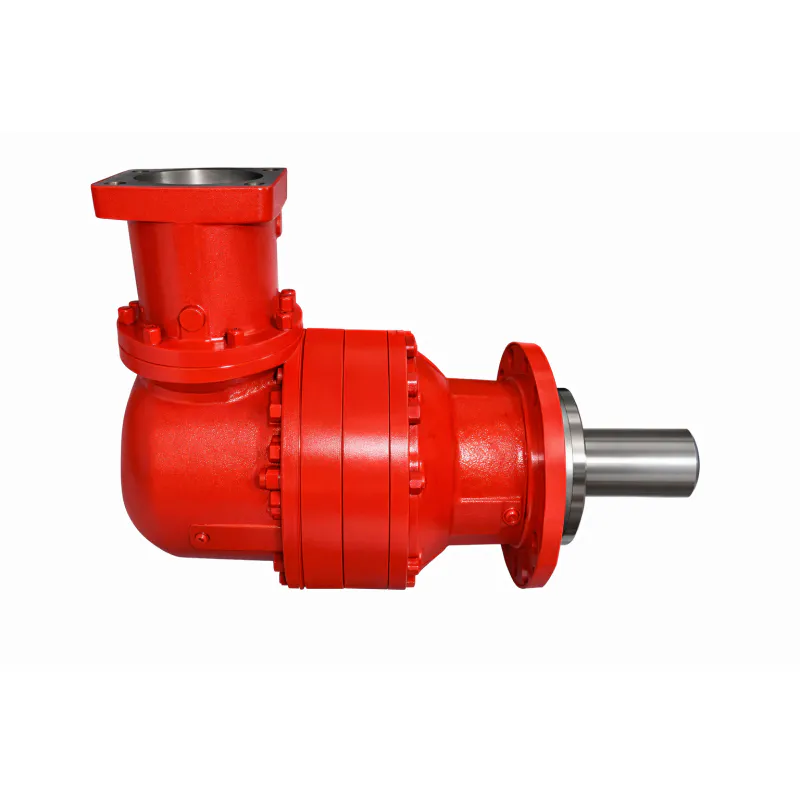
4. Working Principle: Torque, Ratio, and Climate Control Integration
The relationship between the right angle planetary gearbox specification and the climate control performance of the greenhouse is more direct than it might initially appear. The precision with which vent panels can be positioned at intermediate angles — and the speed with which they can respond to a sudden wind gust event or a rapid temperature rise on a clear high-altitude morning — depends on the torsional stiffness and backlash characteristics of the gearbox as much as on the control system logic.
Consider a greenhouse climate computer that receives a wind speed alert from the ridge-mounted anemometer and issues a vent-close command to all spans simultaneously. The closing cycle must complete within 45 to 90 seconds to avoid structural damage to the glass panels in a sudden windstorm. The gearbox must accelerate the loaded drive shaft from rest to maximum closing speed within the first two seconds of motor startup. The torsional compliance of the gearbox — quantified as radians of angular deflection per unit torque at the input — determines how much of the motor’s breakout torque is absorbed elastically in the gearbox rather than transmitted immediately to the drive shaft. A gearbox with low torsional stiffness behaves like a soft spring in the drive train, delaying response and potentially allowing motor current runaway if the control system is not calibrated for the compliance level.
For a standard commercial greenhouse span drive, the gearbox output torque requirement is calculated from the number of panels on the shaft, the individual panel mass and crank geometry, the maximum wind pressure coefficient for the vent panel area at the design wind speed, and a starting torque service factor of 1.5 to 2.0 to account for condensation-related friction peaks. In a 60-meter span with 15 vent panels of 15 kg each, the combined static torque at the drive shaft under worst-case starting conditions is typically 120 to 200 Nm. The gearbox rated torque should be selected to provide at least 1.5× this value — approximately 200 to 300 Nm — which falls in the 80 mm to 115 mm frame range of standard two-stage right angle planetary gearbox series.
The planetary gearbox ratio selection is governed by the required vent travel time, the motor speed, and the drive shaft rotation needed to move the panels from fully closed to fully open. For a crank mechanism with a 35 mm throw and 90-degree travel, the drive shaft must rotate approximately 8 turns total to fully open a single panel section. At a target vent opening time of 5 minutes, the drive shaft speed requirement is about 1.6 RPM. With a 1,400 RPM motor, the required gearbox ratio is approximately 875:1 — far beyond what a single planetary plus bevel unit can achieve. In practice, the gearbox provides 50:1 to 100:1, and the motor is a purpose-designed low-speed geared motor that provides an additional 8:1 to 15:1 internal gear reduction, so the combined gearbox plus motor ratio achieves the required 800:1 to 900:1 overall. This combination — motor internal gears plus external right angle planetary gearbox — is the standard architecture for all modern greenhouse vent actuator drives.
5. Technical Performance Parameters — Right Angle Planetary Gearbox (Greenhouse Vent Actuator Series)
The following table presents representative technical parameters for a right angle planetary gearbox selected for greenhouse roof ventilation actuator service in the commercial horticulture range. Values correspond to an 80 to 115 mm flange frame two-stage unit with bevel output. Custom configurations outside this range are available for large-span or special loading applications.
| Parameter | Specification / Value |
|---|---|
| Frame Size (Flange Diameter) | 60 / 80 / 90 / 115 mm |
| Available Ratios (i) | 10:1 – 100:1 (single and two-stage planetary + bevel) |
| Rated Output Torque | 40 – 320 Nm (frame size dependent) |
| Starting Torque Capacity (2× rated, cold start) | 80 – 640 Nm peak |
| Input Speed (rated) | 1,400 / 1,500 RPM (50 Hz / 60 Hz motor, typical) |
| Output Shaft Speed (at ratio 50:1) | 28 – 30 RPM (motor speed dependent) |
| Transmission Efficiency (overall) | ≥ 92% (two-stage planetary + bevel) |
| Backlash (standard) | ≤ 12 arcmin (adequate for vent panel positioning accuracy) |
| Torsional Stiffness | 8 – 30 Nm/arcmin (frame size dependent) |
| Output Shaft Radial Load (max) | 500 – 3,200 N (size dependent) |
| Output Shaft Dimensions | Ø20 × 40 mm to Ø35 × 70 mm (keyed or hollow bore) |
| Housing Material | Aluminium alloy ADC12 (≤90 mm); Ductile iron GGG-40 (≥115 mm) |
| Gear Material | 20CrMnTi alloy steel, carburized and ground |
| Gear Surface Hardness | HRC 58 – 62 (tooth face); HRC 33 – 40 (core) |
| Lubrication Type | Synthetic lithium complex grease (sealed for life) |
| Operating Temperature Range | −20°C to +80°C continuous (suitable for high-altitude Colombian climate) |
| Protection Class (IP) | IP54 standard; IP65 option for high-humidity condensation environments |
| Noise Level | ≤ 58 dB(A) at rated input speed, no load (greenhouse-appropriate) |
| Duty Cycle | S3 – 30% (intermittent; vent cycles average 6–20 per day) |
| Service Life (L10h bearing) | ≥ 25,000 hours (based on 20 cycles/day over 15-year structure life) |
| Mounting Position | Any orientation; horizontal motor + vertical output standard |
Note: If your greenhouse span length, panel mass, or crank geometry falls outside the parameters above, we can engineer a custom configuration. Contact our technical team with span length, panel count, panel mass, and motor specification for a matched recommendation.
6. Manufacturing Structure & Quality Control
Greenhouse vent actuator gearboxes operate in a fundamentally different production context from the precision servo gearboxes used in CNC machines or robotic arms. The precision requirement is lower — backlash at 12 arcmin is entirely adequate for panel angle positioning — but the environmental durability requirement is higher, because the gearbox must survive 10 to 20 years of outdoor installation in a greenhouse environment with minimal maintenance access. The manufacturing process for horticultural gearboxes reflects this balance: precision-adequate gear grinding, robust housing material selection, and thorough sealing system qualification take priority over the sub-3-arcmin backlash specifications that drive cost and process complexity in servo-grade units.
Gear blanks are forged from 20CrMnTi alloy steel and machined to the tooth form profile by hobbing. Following heat treatment — case carburizing at 900°C to achieve a surface hardness of HRC 58 to 62 with a case depth of 0.3 to 0.7 mm — the gears are finish-ground to ISO 1328 Grade 6 accuracy. Grade 6 is adequate for the noise and efficiency requirements of greenhouse drives operating at slow output shaft speeds and intermittent duty cycles, without the cost premium of Grade 4 or Grade 5 grinding required for high-speed servo applications. The bevel gear set is cut and lapped as a matched pair to verify tooth contact pattern coverage before assembly — a step that prevents the premature bevel mesh noise that often develops in field installations when bevel pairs are assembled without contact pattern verification.
Housing castings for the standard 80 mm and 90 mm frame sizes are die-cast in ADC12 aluminium alloy to near-net-shape, then CNC-machined at all bore and face datum surfaces. The casting alloy ADC12 — equivalent to ENAC-44300 in the European designation and A380 in the US — provides the corrosion resistance in humid agricultural environments that grey cast iron cannot match without surface treatment, and its lower density reduces the installed weight on the greenhouse gable structure. Every housing undergoes a leakage test before assembly: the sealed housing is pressurized to 0.5 bar with dry air and submerged; any porosity that would allow moisture ingress is detected and the casting rejected before value is added in assembly. This step, often skipped in lower-grade production, is one of the most effective quality gates in greenhouse gearbox manufacturing because moisture ingress is responsible for the majority of premature seal and bearing failures observed in field service.
7. Material System: Standard Agricultural Drive vs. High-Performance Greenhouse Grade
| Component | Standard Agricultural Drive Gearbox | High-Performance Greenhouse Actuator Grade |
|---|---|---|
| Housing | Grey cast iron GG-20, no leakage test | ADC12 aluminium alloy (≤90 mm), porosity-tested; GGG-40 ductile iron (≥115 mm) |
| Sun Gear | 45# carbon steel, induction hardened, Grade 8 | 20CrMnTi, carburized HRC 58–62, ground to ISO Grade 6 |
| Planet Gears | 40Cr, hobbed, no post-hardening grind | 20CrMnTi, carburized, ground as set; equal tooth contact verified |
| Bevel Gear Set | Cast steel, spiral cut, contact pattern not verified | 20CrMnTi, carburized, lapped as matched pair; contact pattern ≥ 70% coverage |
| Planet Carrier | Cast iron, standard pin bore tolerance | Aluminium alloy or ductile iron; pin bores jig-bored to ±0.005 mm positional tolerance |
| Output Shaft | 45# carbon steel, standard tolerance | 42CrMo alloy steel, normalized; bearing seats ground to IT6 tolerance |
| Oil Seals | NBR single-lip seal, no UV stabilizer | FKM (Viton) or UV-stabilized NBR double-lip seal; tested to 500 hr salt spray |
| Lubrication | Mineral grease, standard temperature range | Synthetic lithium complex grease: −30°C to +120°C, suitable for highland climate cycles |
| External Fasteners | Grade 8.8 zinc-plated steel | Grade 8.8 stainless steel or zinc-nickel plated; salt spray ≥ 500 hours per ASTM B117 |
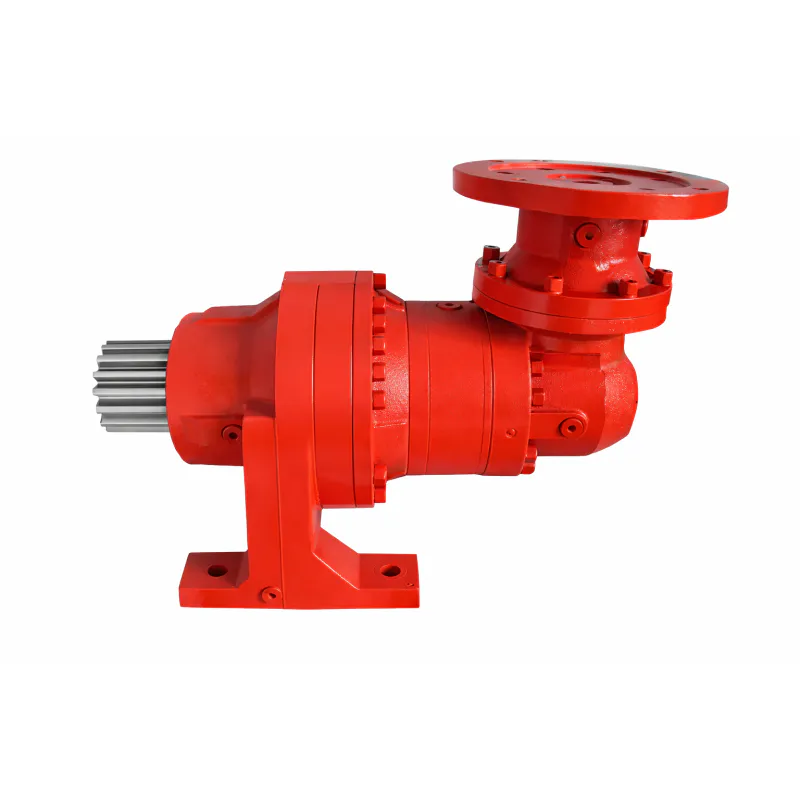
8. Surface Treatment for Greenhouse Environments
The greenhouse operating environment imposes a combination of corrosion threats that diverges from either standard outdoor industrial or indoor factory conditions. The interior of a glass greenhouse maintains high relative humidity — often 80 to 95% during crop irrigation cycles — combined with fertilizer salt aerosols from nutrient solution systems, carbon dioxide enrichment atmospheres in winter heating mode, and the UV radiation that penetrates the glass covering in high-altitude installations. External components mounted at the gable end, where the drive unit is typically located, are additionally exposed to direct rainfall, temperature cycling condensation, and in highland Colombian flower farm locations, high UV intensity that degrades unprotected polymer seals and coatings within 2 to 3 growing seasons.
For aluminium alloy housings in the standard frame sizes (60 to 90 mm), the baseline surface treatment is hard anodizing: type III sulfuric acid anodizing to a coating thickness of 20 to 25 microns, producing a surface hardness of HV 350 to 450 and a corrosion resistance exceeding 1,000 hours in ASTM B117 salt spray testing. The anodized surface is sealed with a PTFE or nickel acetate sealer to reduce moisture absorption through the anodic pore structure. This treatment, combined with the inherent aluminum alloy corrosion resistance, makes the housing essentially maintenance-free in greenhouse humidity conditions for the expected 15-year greenhouse structure lifetime.
For ductile iron housings in larger frame sizes, the treatment sequence is: blast clean to Sa 2.5, apply a zinc-rich epoxy primer at 60 to 80 microns dry film thickness, followed by a polyurethane topcoat in RAL 7035 light grey at 80 to 100 microns. Total dry film thickness of 140 to 180 microns achieves 720-hour salt spray resistance — more than adequate for the greenhouse interior environment. The topcoat color selection in light grey or similar light values reduces solar heating of the housing in summer when the gable end receives direct afternoon sun, which matters for the stability of the synthetic grease viscosity in sealed-for-life lubrication systems.
Particular attention in greenhouse gearbox surface treatment is given to the threaded mounting holes and flange mating faces. These areas are prone to galvanic corrosion when aluminium housings are mounted to steel structural sections using steel fasteners in the presence of fertilizer-laden moisture — a very common condition in greenhouse gable structures. All mounting flange faces receive a chromate conversion coating under the anodize seal, and stainless steel or zinc-nickel plated fasteners are specified as standard to break the galvanic couple between the aluminium housing and the structural steel.
9. Environmental Rating & Operating Condition Characteristics
IP54 represents the minimum practical ingress protection specification for a greenhouse vent actuator gearbox mounted at the gable end of a commercial span. The first digit (5 = dust-protected) guards against the pollen, fungal spore, and soil dust particles that circulate in greenhouse airflows during crop operations. The second digit (4 = splash-protected) is the minimum needed for the overhead irrigation, overhead fogging, and rainfall exposure that gable-end components receive during routine greenhouse operation.
In high-humidity condensation environments — particularly relevant for Colombian highlands greenhouses where diurnal temperature swings from 8°C at night to 22°C at midday cause repeated condensation events on cold structural steel surfaces — IP65 is the preferred specification. IP65 adds full dust exclusion and jet-wash resistance. The transition from IP54 to IP65 in the gearbox seal design involves a more aggressive input shaft labyrinth seal, a double-lip output shaft seal, and gasket sealing of all cover joints rather than O-ring spot sealing. For floriculture operations in the Sabana de Bogotá where daily temperature cycling and the morning condensation event are structurally predictable, investing in IP65 housing specification at the procurement stage is more economical than dealing with moisture-ingress bearing failures at year 3 or 4 of the greenhouse’s operational life.
The duty cycle classification of greenhouse vent drives is S3 (intermittent periodic duty), typically at 25 to 30% duty cycle. A vent opening cycle takes 5 to 8 minutes; the motor then rests until the next climate computer command. Over a full growing day in an active greenhouse, the ventilation system may cycle 10 to 25 times. At 20 cycles per day and an average 6-minute running time per cycle, the daily running hours are approximately 2 hours out of 24 — a true S3 duty profile. Gearbox thermal design for this duty cycle is straightforward: the housing surface area of a 90 mm frame unit is more than sufficient to reject the frictional heat generated in the gear mesh without oil cooling, and the 25,000-hour L10h bearing life calculated at rated load and S3 duty comfortably exceeds the 20-year greenhouse structural life at the expected vent cycle frequency.
10. Five Key Advantages for Greenhouse Roof Vent Actuator Service
1. 90-Degree Output for Horizontal Drive Shaft Architecture
The defining reason a right angle planetary gearbox is specified in every modern greenhouse vent drive is that the horizontal drive shaft architecture — which allows a single motor to actuate an entire span of vent panels — requires a drive that accepts horizontal motor input and delivers perpendicular rotary output to the shaft. No other single-unit drive component achieves this with the torque density, efficiency, and compactness that the right angle planetary bevel arrangement provides. The alternative — mounting the motor perpendicular to the shaft and using an external bevel coupling — adds components, alignment requirements, and maintenance points that a sealed integrated gearbox eliminates entirely.
2. Sealed-for-Life Lubrication Eliminates Maintenance Intervals
Greenhouse structures are not factory floors. Access to the drive units at gable height — often 4 to 7 meters above the working level — requires a ladder or work platform, and the cost of a maintenance visit to service each gearbox in a multi-span complex is significant in labor and lost production time. Sealed-for-life synthetic grease lubrication in the standard greenhouse gearbox series eliminates the scheduled lubrication service intervals required by oil-filled alternatives, reducing the maintenance cost over the 15-year greenhouse lifecycle to the cost of the occasional seal inspection during scheduled glass cleaning visits.
3. Low Power Consumption for Full Greenhouse Climate Control
A 10-span greenhouse with one drive unit per span consuming 0.55 kW each generates a total vent system power demand of 5.5 kW during simultaneous operation. The 92% or better efficiency of the right angle planetary gearbox ensures that this power demand is dominated by the actual panel movement work rather than by gearbox heat loss — a meaningful consideration for greenhouse operations where energy cost directly affects crop profitability, particularly in Colombian commercial floriculture where electricity tariffs have increased significantly in recent years.
4. Wide Temperature Range for Highland Colombian Climates
The combination of synthetic lithium complex grease and FKM oil seals in the greenhouse actuator series extends the operating range to −20°C minimum, covering the rare overnight frost events that can occur at 2,600 meters above sea level on the Sabana de Bogotá. Cold-start torque at −10°C with synthetic grease is typically less than 1.5× the rated-temperature value — a modest increase that the motor and gearbox safety factor easily accommodates without overloading at the morning first-open command. Standard mineral grease in the same conditions would show cold-start torque increases of 3× or more, potentially triggering motor overload trips.
5. Compact Aluminium Housing Minimizes Structural Load
The ADC12 aluminium alloy housing of the standard 80 to 90 mm frame greenhouse gearbox weighs 1.8 to 3.2 kg — substantially lighter than an equivalent ductile iron housing at 3.5 to 6.5 kg. In a greenhouse gable structure that was not originally designed to carry drive unit loads, minimizing the added point load at the gearbox mounting location reduces deflection of the structural member and preserves the geometry of the drive shaft alignment over the structural lifetime of the greenhouse. This matters particularly in rehabilitation and automation upgrades of older greenhouse structures where the gable section sizing was designed for a manual vent system without any drive unit load.
Looking for inline planetary reducer configurations for other greenhouse automation drives — including conveyor feed systems, grow light adjustment actuators, and fertigation dosing pumps? See our complete planetary gearbox product range or explore our right angle gearbox selection guide for greenhouse and controlled environment agriculture applications.
11. Typical Failure Modes and Diagnostic Indicators
Moisture Ingress and Seal Degradation
By far the most common failure pathway in greenhouse vent gearboxes, accounting for an estimated 60 to 70% of premature removals in field service surveys. The IP54 rating provides adequate protection in normal operating conditions, but repeated condensation events — particularly relevant in Andean highland greenhouses — eventually saturate a degraded seal lip and allow moisture to enter the housing. The first sign is lubricant discoloration from clear/amber to white, indicating emulsification. Within weeks, grease emulsification reduces the lubricating film thickness at the planet pin bearings, and pitting begins on the rolling surfaces. Early diagnosis requires a visual inspection of the output shaft area for grease weeping or a white foam residue around the seal lip, which indicates moisture has reached the grease fill.
Bevel Gear Mesh Noise Progression
In well-manufactured gearboxes, bevel mesh noise remains below 58 dB(A) throughout service life. When a mismatch between the bevel pair contact pattern and the design optimum develops — due to bearing preload loss, thermal distortion, or manufacturing inaccuracy — the mesh noise increases audibly, typically progressing from a quiet hum to a distinct whine over 3 to 6 months. The distinctive frequency signature is the bevel mesh frequency, calculable from the bevel pinion tooth count and output shaft RPM. In greenhouse installations, the vent opening cycle is the practical diagnostic moment — a bevel noise that is absent when the vent is stationary but clear during traversal is the characteristic presentation of this failure mode.
Housing Corrosion at Mounting Interface
Galvanic corrosion at the interface between the aluminium alloy housing flange and the galvanized steel structural section progresses slowly but causes mounting hole elongation and eventual loss of secure registration between the gearbox housing and the drive shaft coupling. The first symptom is vibration during vent operation — typically audible as a rattling during the last 10 to 15 degrees of vent travel when the drive shaft torque reverses direction at the end stop. Visual inspection at the mounting face shows white aluminium oxide powder consistent with active galvanic corrosion. Prevention requires stainless steel fasteners and a neoprene isolating washer under the mounting flange — a detail frequently omitted during greenhouse contractor installations.
Backlash Increase from Gear Tooth Wear
In properly lubricated gearboxes, gear tooth wear rate in intermittent S3 service is very low, and backlash increase to a level that affects vent positioning accuracy is not expected within the normal service life. However, in gearboxes that have experienced lubricant degradation from moisture ingress without seal replacement, accelerated adhesive wear on the planet gear flanks can increase backlash from the original 12 arcmin to 25 to 35 arcmin within 2 to 3 seasons. The practical symptom in the greenhouse is a panel positioning error at the midtravel position — the climate computer commands a 45-degree panel opening but the panel settles at 40 or 50 degrees depending on the approach direction. This manifests as inconsistent ventilation across the span and, over time, as micro-climate variation between panels that is visible in crop uniformity.
Drive Shaft Coupling Fretting
The keyed connection between the gearbox output shaft and the drive shaft tube is the interface most susceptible to fretting damage in greenhouse vent service. Each vent cycle reversal generates a micro-slip event at the key-keyway contact, and over thousands of cycles, the cumulative fretting wear produces a loose key fit that generates impact noise and eventual key fracture. This failure mode is distinguished from internal gearbox failure by its characteristic clunking sound only at the moment of direction reversal, not during traversal. Prevention requires correct keyway fit specification (JS9 hub tolerance for light interference in assembly) and periodic inspection of key fit during panel maintenance visits.
12. Regulatory Framework: Greenhouse Automation and Gearbox Standards by Region
Greenhouse automation equipment — including the electromechanical drive components that actuate roof vents — operates within a regulatory framework that spans agricultural machinery safety, electrical equipment standards, and in some jurisdictions, food and agricultural product safety regulations that flow down to the production environment. For Colombian greenhouse operators and equipment importers, understanding the applicable framework prevents compliance exposure and supports phytosanitary export certification for cut flowers and fresh produce.
Colombia (ICONTEC / ICA / SENA): Agricultural machinery and greenhouse equipment in Colombia falls under the oversight of the Instituto Colombiano Agropecuario (ICA) for plant health and safety aspects, and under the broader occupational safety framework of the Ministry of Labour’s Resolution 0312 for worker safety in agricultural operations. Electrical drive equipment must comply with NTC 2050 (Colombian electrical code, derived from the US NEC) for the installation of motors and control panels. Greenhouse structures and their mechanical systems are also subject to NSR-10 (Colombian building code) earthquake and wind load requirements — relevant for the structural design of the drive shaft mounting and gable-end gearbox support structure in high seismic zones such as the Andean region. ICONTEC’s alignment with ISO and IEC standards means that CE-marked European greenhouse equipment is generally accepted for import without additional technical certification, though DIAN customs classification under HS Chapter 84 requires accurate commodity description.
European Union (CE / Machinery Directive 2006/42/EC / Low Voltage Directive 2014/35/EU): Greenhouse vent drive systems placed on the EU market as complete assembled units require CE marking under the Machinery Directive. The relevant harmonized standards include EN ISO 11684 (safety signs on agricultural machinery), EN 60034 series (electrical motors), and EN 55014 (electromagnetic compatibility for household and similar equipment — relevant for the low-voltage motor controllers used in climate computer-linked vent drives). Gearboxes incorporated within CE-marked drive assemblies are covered by the machine’s CE Declaration of Conformity and do not require individual certification, but the gearbox manufacturer must supply a Declaration of Incorporation confirming conformance with the applicable Essential Health and Safety Requirements of Annex I.
Netherlands (NEN / Greenhouse Technology Standards): The Netherlands, as the global center of commercial greenhouse technology development, has developed sector-specific standards through NEN and the former Productschap Tuinbouw. NEN 3140 covers low-voltage electrical installations in agricultural environments, with specific provisions for greenhouse humidity ratings on electrical components. The Dutch greenhouse industry specification for vent drive gearboxes effectively sets a de facto global standard: IP54 minimum protection, FKM shaft seals, aluminium alloy housing, and AGMA quality level 9 or ISO Grade 6 gear accuracy. Most greenhouse equipment manufacturers worldwide supply to this specification baseline regardless of the destination market.
United States (NEC / OSHA / ASABE): In US greenhouse operations, NFPA 70 (NEC) Article 547 governs electrical installations in agricultural buildings, requiring weatherproof and corrosion-resistant classification for all electrical components in high-humidity agricultural environments — a requirement that drives IP65 gearbox selection for US greenhouse installations, one step above the European baseline IP54. OSHA 29 CFR 1928 covers agricultural machinery worker safety. The American Society of Agricultural and Biological Engineers (ASABE) publishes standards for greenhouse structures (EP406) and climate control systems that reference gear drive requirements for ventilation actuator systems.
ISO International Standards: ISO 14982 (agricultural machinery — electromagnetic compatibility) and ISO 11684-1 (graphical symbols for operator instructions in agricultural machinery) apply to greenhouse drive equipment internationally. ISO 9001:2015 quality management certification from the gearbox manufacturer is the baseline quality credential expected by commercial greenhouse equipment OEMs in procurement audits, and is a prerequisite for supply to Dutch, German, and Scandinavian greenhouse builders whose equipment reaches the Colombian and Latin American markets.
13. Recommended Configuration for Greenhouse Roof Vent Actuator Applications
Frame Size and Torque Selection
For spans up to 60 m with panels up to 12 kg: 80 mm frame, rated torque 120 Nm, service factor 1.8. For spans of 60 to 100 m or panels above 12 kg: 90 mm or 115 mm frame, rated torque 200 to 320 Nm. Always apply the 1.8× service factor to the calculated worst-case starting torque (cold start with condensation-elevated hinge friction) rather than the steady-state running torque. Undersizing to running torque alone invariably leads to motor overload events during the morning first-open command in highland climates.
IP Rating and Seal Selection
For Colombian highland floriculture: specify IP65 as standard, not IP54. The daily condensation cycle on the Sabana de Bogotá at 2,600 meters above sea level reliably challenges IP54 seals within 3 to 4 years, whereas IP65 with FKM seals provides a full 15-year service life without seal replacement. The incremental cost difference between IP54 and IP65 at procurement is significantly less than the labor cost of a single mid-life seal replacement on a gable-height installation in a production greenhouse.
Output Shaft Configuration
For new greenhouse construction: specify hollow bore output to match the drive shaft tube OD. This eliminates the flanged coupling joint at the gearbox-to-shaft interface, removes one maintenance point, and keeps the drive assembly length shorter, which simplifies gable structure mounting. For replacement in existing installations: specify a solid keyed output shaft matching the original coupling hub bore, using a JS9 hub tolerance fit for the keyway to minimize fretting at the reversal event.
Housing Material and Fasteners
Specify ADC12 aluminium alloy housing with hard anodizing and PTFE seal for all gable-mounted units, regardless of span size up to 90 mm frame. For the 115 mm frame and larger, ductile iron housing with two-coat epoxy-polyurethane system as described in the Surface Treatment section is appropriate. Specify stainless steel A2 mounting fasteners with neoprene isolating washers under all mounting flange contact faces as a standard installation requirement, not an optional upgrade. This detail adds less than 0.5% to the drive unit cost and completely eliminates galvanic mounting corrosion as a failure mode.
14. Application Scenarios in Horticultural Greenhouse Automation
Cut Flower Greenhouse (Sabana de Bogotá, Colombia)
Colombian cut flower operations typically run glass or polycarbonate multi-span greenhouses in the 5 to 15 hectare range, with ridge heights of 5 to 6.5 meters. Climate management is critical for disease pressure control — Botrytis cinerea incidence is directly correlated with humidity periods above 90% RH. The vent drive system must respond to humidity spikes within 2 to 3 minutes to prevent exceeding the critical humidity threshold. A compact right angle planetary gearbox Colombia floriculture specification with a 90 mm frame, IP65, and a 50:1 ratio drives spans of up to 80 meters to full vent in 4 minutes at the rated motor speed — within the climate response window required for humidity control in Colombian flower crop protection protocols.
Tomato and Vegetable Production (Venlo-Type Glass Greenhouse)
Commercial tomato and sweet pepper production in Venlo-type glass greenhouses — increasingly common in the Andean region as an import substitution crop for the Colombian domestic market — uses continuous crop climate management with vent positions adjusted up to 30 times per day in response to solar radiation, temperature, and CO2 concentration sensor inputs. The gearbox at this duty cycle sees the highest annual cycle count of any greenhouse application. A sealed-for-life synthetic grease specification and conservative rated torque selection with 2× service factor are the critical specification choices for this application.
Cannabis Cultivation (Regulated Indoor Agriculture)
Regulated cannabis production facilities in jurisdictions where this crop is legally produced — including Colombia, which has an active medicinal cannabis export sector — require precise environmental control for both quality and regulatory compliance. Vent drive gearboxes in cannabis greenhouse facilities must meet the same IP65 humidity resistance specification as floriculture, with the additional requirement of pharmaceutical-grade cleanliness standards at the housing exterior. Electro-polished stainless steel housing variants are available for facilities where the highest cleanliness standard is mandated by export market regulations.
Foliage Plant and Nursery Stock Production
Nursery and foliage plant operations use naturally ventilated poly-tunnel and glass greenhouse structures where the vent drive system may be less sophisticated than in high-tech floriculture, but reliability is equally critical because nursery crops occupy the greenhouse for multiple growing seasons. A simpler single-stage right angle planetary gearbox at 80 mm frame with IP54 and mineral grease is adequate for lower-demand nursery applications where the annual cycle count is below 4,000 and ambient humidity is moderate. This configuration offers a lower procurement cost while retaining the direction-changing architecture that the horizontal drive shaft layout requires.
Vertical Farm Air Management (Controlled Environment Agriculture)
Enclosed vertical farm facilities use motorized louver panels rather than glass roof vents for their primary air management, but the drive train architecture is identical to that of greenhouse roof vents: a horizontal drive shaft along each tier level, actuated by a compact right angle planetary gearbox at the end of each tier. The vertical farm application operates in a much lower temperature range (18 to 24°C constant) but at higher cycle frequency and with the additional requirement for quiet operation — the 58 dB(A) noise specification of the planetary bevel gearbox is well within the acoustic requirements of enclosed vertical farm operations adjacent to occupied spaces.
WorkShop
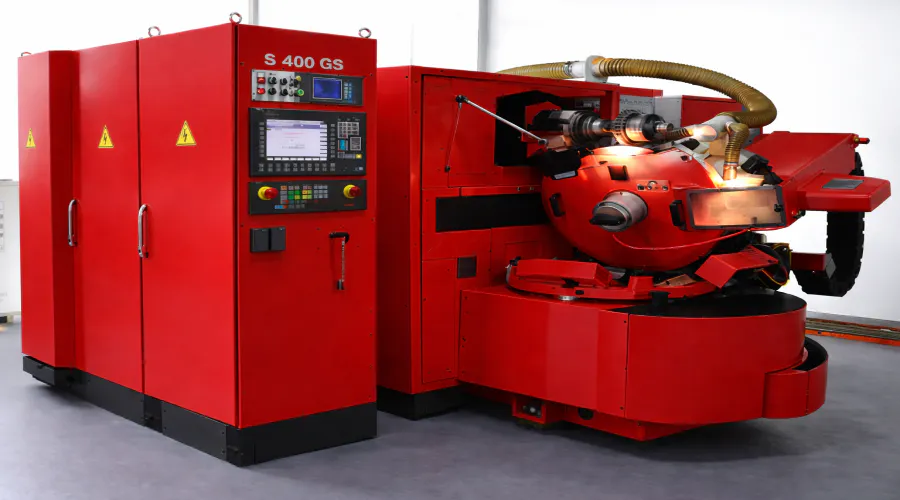

15. Related Products & System Compatibility
A greenhouse vent actuator drive is a system, not just a gearbox. The gearbox performance depends on the quality of the motor it is coupled to and, in multi-span operations where several drives must synchronize their panel positions, on the compatibility of the motor control characteristics across all units in the greenhouse. Sourcing the motor, the gearbox, and the drive shaft accessories as a coordinated system from a single supplier simplifies commissioning, ensures inertia matching between motor and gearbox reflected load, and provides a single technical contact for any field service issue that involves the interaction between components rather than a clear single-component fault.
AC Drive Motor (Greenhouse Series)
Our greenhouse-series drive motor is a purpose-designed AC capacitor-start or three-phase induction unit with IP65 rating, Class F insulation, and an integrated thermal overload protector that is precalibrated for the S3-30% duty cycle of greenhouse vent service. The motor flange dimensions are pre-matched to the gearbox input flange of the corresponding frame size, eliminating the adapter ring calculations that add assembly time on-site. Available in 0.37 kW, 0.55 kW, and 0.75 kW ratings covering the full span length and panel mass range of commercial greenhouse applications.

Inline Planetary Reducer (Auxiliary Drive Stage)
For greenhouse spans requiring an overall ratio beyond what the standard two-stage right angle planetary gearbox achieves — particularly relevant for very long spans above 100 meters or for slow-traverse precision climate control applications — an inline planetary reducer stage mounted between the motor and the right angle gearbox provides the additional ratio increment. Our inline reducer series uses the same ADC12 aluminium alloy housing, synthetic grease lubrication, and FKM seal specification as the right angle units, ensuring that the inline stage adds no environmental vulnerability to the combined drive system that the right angle gearbox itself does not already possess.

Frequently Asked Questions
Q1. How does a right angle planetary gearbox work in a greenhouse roof ventilation window drive system?
The gearbox accepts horizontal input from a drive motor mounted on the greenhouse gable structure, reduces the motor speed through one or two planetary gear stages inside the housing, then redirects the output rotation through 90 degrees via a spiral bevel gear pair to a vertical output shaft. This vertical output connects to the horizontal drive shaft that runs the full length of the greenhouse span. As the drive shaft rotates, individual crank or rack mechanisms attached to it along the span translate that rotation into the push-pull movement that opens and closes the roof vent panels. One motor plus one right angle planetary gearbox drives an entire span of 15 to 30 vent panels from a single point — the key efficiency of the horizontal drive shaft architecture that this gearbox geometry enables.
Q2. What certifications should a right angle gear drive manufacturer provide for greenhouse automation equipment imported into Colombia?
The minimum certification documentation for greenhouse vent gearboxes imported into Colombia includes: ISO 9001:2015 quality management system certificate from the manufacturer, CE Declaration of Incorporation (if the gearbox is part of a CE-marked drive assembly), IP rating test report confirming the declared IP65 classification to IEC 60529, and material certificates for sealing components (FKM specification confirmation). For commercial greenhouse operations in Colombia that export cut flowers to the EU market under GlobalG.A.P. certification, equipment supplier quality documentation is increasingly requested during third-party auditor site visits as part of production input traceability — ISO 9001 from the gearbox supplier simplifies this documentation requirement. DIAN import classification falls under HS 8483.40 (gearboxes and other speed changers); classification as an agricultural machinery component under HS 8436 may attract a preferential tariff under Colombia’s agricultural machinery import regime, subject to customs ruling.
Q3. What planetary gearbox ratio should I choose for a 70-meter greenhouse span vent drive in a Colombian highland flower operation?
For a 70-meter span with a standard crank mechanism and a 5-minute target opening time, the required output shaft speed is approximately 1.6 to 2 RPM. With a 1,400 RPM motor, the combined motor-internal-gearbox ratio needed is approximately 700:1 to 875:1. If the motor is a purpose-designed greenhouse geared motor with an internal ratio of 10:1 to 15:1, the external right angle planetary gearbox needs to provide 50:1 to 80:1. A two-stage planetary plus bevel unit in the 80 mm frame at 64:1 or 80:1 ratio is the typical selection for this application. If you need to verify the selection for your specific panel crank geometry, contact us with the crank throw dimension and the total shaft turns required for full panel travel, and we will confirm the ratio calculation.
Q4. Which right angle gearbox configuration works best for high-humidity greenhouse vent drives in Colombia’s Andean region?
For the Andean region high-humidity and diurnal condensation cycle environment, the recommended configuration is a two-stage right angle planetary gearbox in ADC12 aluminium alloy housing, hard anodized to Type III, with IP65 protection class, FKM double-lip output shaft seals, and a synthetic lithium complex grease fill rated to −30°C to +120°C. Stainless steel A2 mounting fasteners with neoprene isolation washers at all housing-to-structure contact faces are mandatory, not optional. This specification adds approximately 10% to the procurement cost of an IP54 mineral-grease standard unit but eliminates the two most common failure modes in highland Colombian greenhouse service — moisture ingress seal failure and galvanic mounting corrosion — for the full 15-year greenhouse structural life.
Q5. What is the expected service life of a right angle planetary gearbox in a Colombian highland greenhouse vent actuator application?
With correct specification — IP65, FKM seals, synthetic grease, 2× service factor on torque rating — the expected service life is 15 years or greater in Colombian highland floriculture vent actuator service, aligned with the structural lifetime of a typical commercial glass greenhouse. This is based on a daily cycle count of 15 to 25 vent cycles, running time per cycle of 5 to 8 minutes, and an L10h bearing life calculation of 25,000 hours for the specified load condition. In practice, field service data from equivalent European and Andean highland installations shows the most common cause of early removal (before 10 years) is seal failure from moisture ingress — a failure mode that the IP65 and FKM seal specification eliminates. Units that have remained fully sealed throughout their service life routinely reach 15 years without bearing or gear replacement.
Q6. What are the early signs that a greenhouse roof vent right angle gearbox needs to be replaced or serviced?
Five indicators are reliable in practice. First, white or cream-colored residue near the output shaft seal — this is emulsified grease, indicating moisture has entered the housing and the lubricant is contaminated. Second, audible bevel mesh noise during vent traversal that was not present when the unit was new — a whine that appears and disappears with shaft rotation indicates bevel bearing preload loss. Third, inconsistent panel position compared to adjacent panels on the same span — if one panel consistently ends up at a different angle from its neighbors after the same vent command, backlash in that drive unit has increased. Fourth, motor thermal overload trips during morning first-open commands — this indicates cold-start gearbox stiffness has increased, usually from moisture contamination of the grease. Fifth, visible corrosion powder (white or brown) at the housing mounting flange — indicates active galvanic corrosion of the mounting interface and should be addressed at the next available access opportunity.
Q7. How does a right angle planetary gearbox compare to a worm gearbox for greenhouse vent drive applications?
Worm gearboxes are still used in some lower-cost greenhouse vent drive systems, but they have three disadvantages in this application that the right angle planetary architecture avoids. First, worm gear efficiency at the high ratios needed for vent drives (50:1 to 100:1 range) is 40 to 70% — meaning 30 to 60% of the motor’s power is converted to heat. In a 10-span greenhouse with simultaneous vent operation, this doubles the system power demand compared to planetary gearboxes at 92% efficiency. Second, worm gearboxes self-lock under load — which prevents back-driving by wind pressure on the panels, which sounds useful but actually prevents the climate computer from detecting panel position by back-driving the motor encoder during a system calibration cycle. Third, the lead bronze worm wheel has a shorter service life than the hardened steel planetary gear train under the same cycle count, and replacement of a worm wheel requires full disassembly in a workshop rather than a seal kit replacement that can be done on a ladder at gable height.
Editor: PXY